

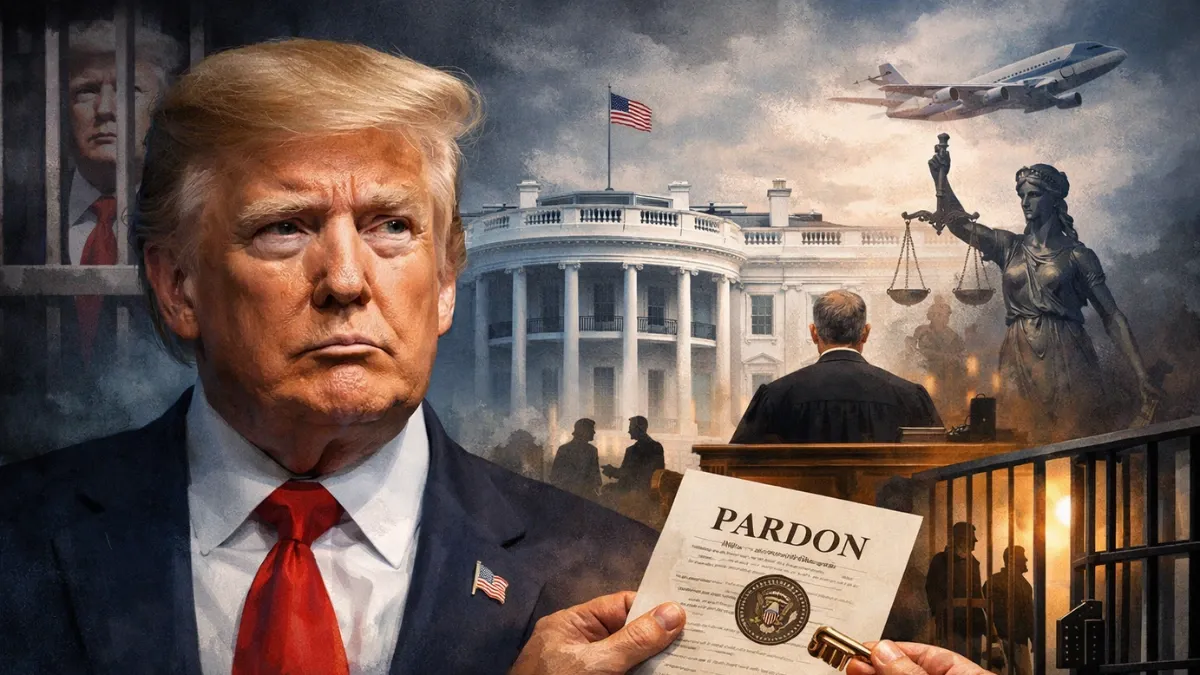
Have you ever wondered how presidential power works when it comes to forgiving crimes? A recent Wall Street Journal report caught the attention of many people across the country. It talked about Donald Trump and some surprising plans he reportedly considered while holding office. This story shows us just how complicated politics and the law can get.
A Surprising News Report
A recent report from The Wall Street Journal sparked a lot of discussion across the United States. The report claimed that while serving as president, Donald Trump and his advisers discussed the possibility of using presidential pardon powers in a much broader way than people usually expect. Although reports like these often lead to public debate, they also remind people how powerful the office of the president can be.
The main topic of the report was the idea of mass pardons. A presidential pardon is a legal power that allows the president to forgive certain federal crimes. In most cases, pardons are reviewed one person at a time after a careful examination of the facts. A mass pardon, however, would involve granting legal forgiveness to many people through a single decision. Because this is uncommon in modern American history, the idea immediately attracted national attention.
The report also raised questions about how presidential powers should be used. Some people believe broad pardon authority gives presidents the ability to correct unfair situations or show mercy when they think justice has not been served. Others argue that using this power too broadly could create concerns about fairness, accountability, and equal treatment under the law. These different opinions have become an important part of the public conversation.
As news of the report spread, political leaders, legal experts, and commentators began discussing what such a decision could mean for the justice system. Some focused on the constitutional authority of the president, while others questioned how future administrations might use the same power. Although the discussions described in the report do not necessarily mean any action will take place, they have encouraged people to take a closer look at one of the most significant powers held by the American presidency.
The report also serves as a reminder that decisions made in the White House often have effects far beyond Washington. Questions about presidential pardons, executive authority, and the justice system continue to shape public debate, making this one of the most closely watched political topics in recent years.
Who Gets Off the Hook?
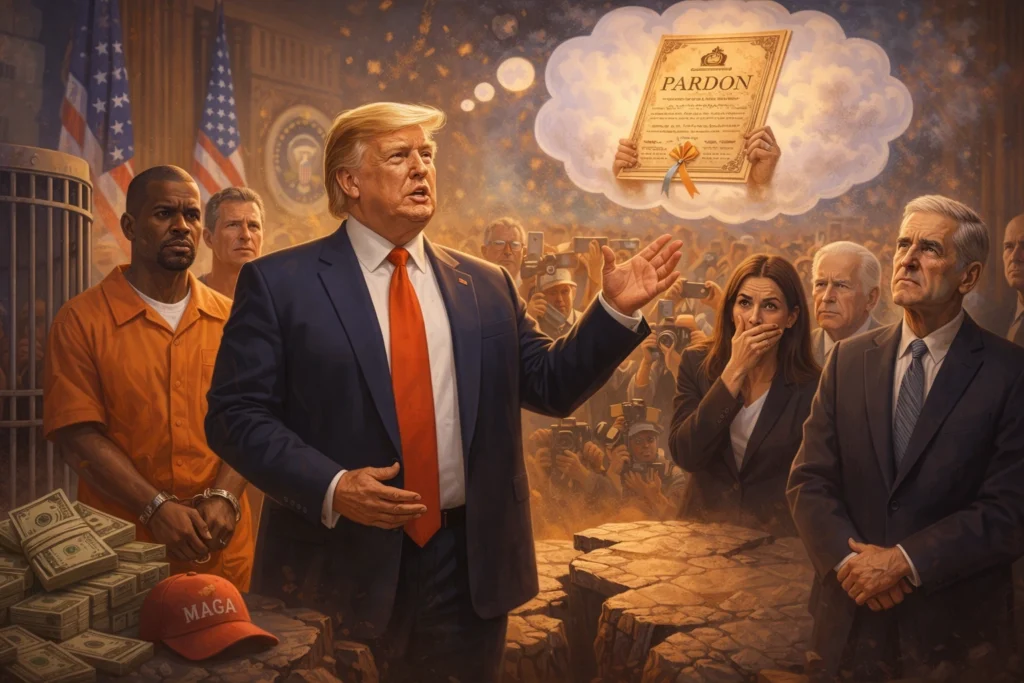
The story gets much more interesting when we look closely at who might receive this sweeping forgiveness. The report mentions the role of a federal prosecutor, which is a powerful government lawyer whose specific job is to investigate and bring serious charges against people who break national laws. The rumors suggest the goal was to protect certain political allies from ever facing these government lawyers in court.
Even more surprising, there was talk about handing out unconditional pardons. This means giving someone a totally clean slate, without any strings, limits, or special rules attached. Once this type of forgiveness is given, the person is completely free from their legal trouble forever, no matter what actions they take next.
The Deep Connections
One reason this report has received so much attention is that it links the discussion about pardons to a larger political story. According to the report, some of the people who were reportedly considered for pardons had connections to major political events that took place during a tense period in American politics. Because of those connections, the possibility of broad presidential pardons quickly became part of a much wider national debate.
The report also mentions events involving areas near the headquarters of the Republican and Democratic parties. These locations became important during investigations into political activities and security concerns. As investigators examined what happened, questions were raised about who may have been involved, what actions were taken, and whether any individuals could eventually face federal charges.
This is where the role of a federal prosecutor becomes important. Federal prosecutors are responsible for reviewing evidence, deciding whether criminal charges should be filed, and presenting cases in federal court. If a person receives a valid presidential pardon before being convicted of a federal crime, that pardon can prevent or remove certain federal legal consequences. Because of this, any discussion about possible pardons naturally attracts public attention.
Supporters of using presidential pardons argue that they can correct situations they believe are unfair or politically motivated. Others believe that granting unconditional pardons to people connected with controversial political events could raise concerns about accountability and equal treatment under the law. These different opinions have become a major part of the public discussion.
Whether or not such pardons are ultimately granted, the report highlights how closely politics, law, and presidential authority can become connected. It also reminds people that decisions made at the highest levels of government often lead to broader debates about justice, constitutional powers, and public trust in the legal system.
What This Means for the Future
Stories like this remind us that presidential power is one of the strongest powers in the United States government. The authority to grant pardons is written into the Constitution, but every time it is used in a controversial way, people begin asking important questions about fairness, accountability, and the rule of law. That is why reports about possible mass pardons often receive so much public attention.
Supporters of broad pardon powers argue that a president should have the freedom to correct unfair prosecutions or show mercy when they believe justice has not been served. They see the pardon power as an important part of the presidency that can help bring closure after difficult political or legal conflicts.
Critics, however, worry that using presidential pardons to protect political allies could weaken public trust in the justice system. They believe every person should be treated equally under the law, no matter their political beliefs or personal connections. If people think some individuals receive special treatment, confidence in the legal system may be affected.
These debates also show how closely politics and the courts can become connected. Decisions made by a president can influence public opinion, shape future elections, and even lead to new discussions about whether changes to pardon rules should be considered. As a result, each controversial pardon becomes more than just a legal decision- it also becomes part of a much larger national conversation.
For everyday Americans, staying informed about these issues is important. Reading reliable news sources, understanding how presidential powers work, and learning about both sides of the debate can help people make informed decisions about the country’s future. Whether someone agrees or disagrees with the use of presidential pardons, understanding how this constitutional power works is an important part of understanding American government.
In the end, discussions about presidential pardons are likely to continue for many years. Every administration faces difficult legal and political decisions, and each use of the pardon power adds another chapter to American history. By following these developments carefully, citizens can better understand how leadership, justice, and the Constitution work together in shaping the future of the United States.
FAQs
A presidential pardon is a constitutional power that allows the President of the United States to forgive someone for certain federal crimes. A pardon can reduce or remove legal consequences, but it does not apply to state crimes or erase the historical record of an event.
Mass pardons happen when a president grants pardons to a large group of people instead of reviewing each case individually. While the president has broad pardon authority for federal offenses, large-scale pardons are uncommon and often lead to public debate.
An unconditional pardon is a pardon that is granted without requiring the person to meet any conditions or future obligations. Once it takes effect, it fully forgives the eligible federal offense covered by the pardon.
Presidential pardons can become controversial when they involve politically sensitive cases or well-known public figures. Supporters may see them as an act of mercy or justice, while critics may question whether the power is being used fairly and consistently













Leave a comment