
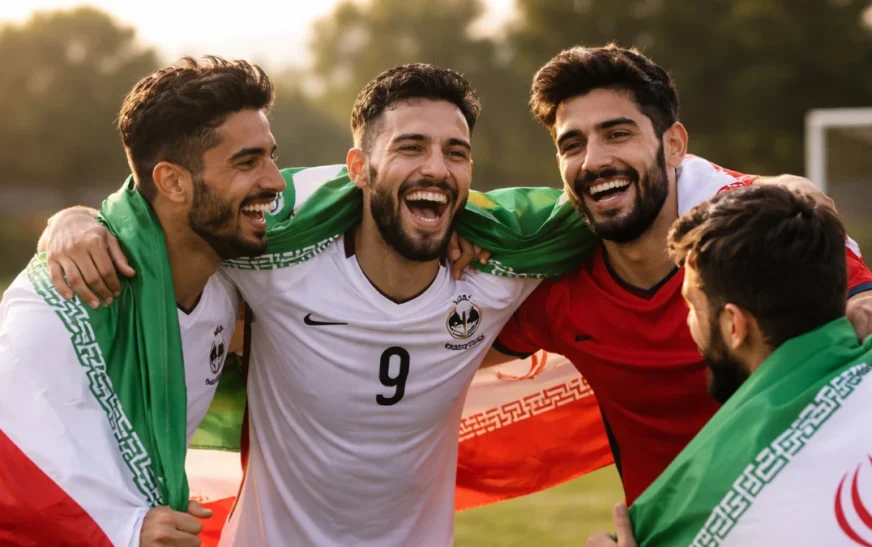
Sports are not just for fun- they can show problems in a country. This happened in the Iranian women asylum case. Five women from Iran’s soccer team made a brave choice and people everywhere noticed. Their story became important in the Iran asylum debate and showed how bad the Iran political crisis is. Many people started talking about human rights in Iran because of these women.
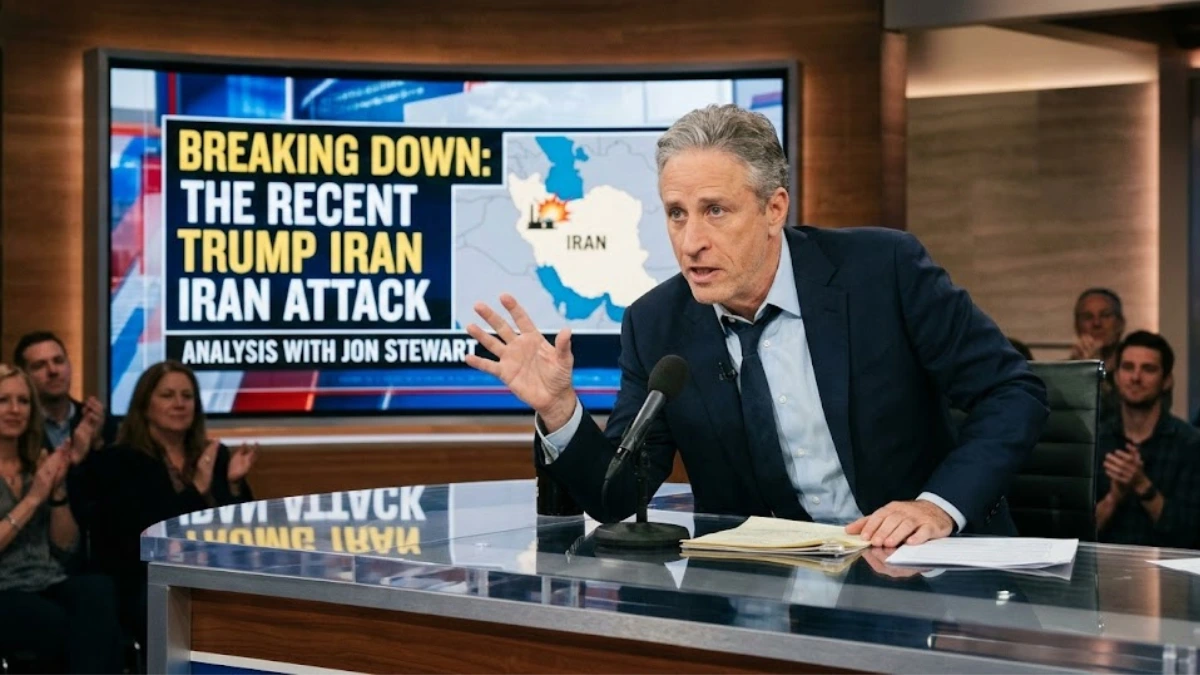
At the Women’s Asian Cup, these football players did something brave. When it was time to sing the national anthem, they stayed silent instead. They did this to protest against unfair rules in Iran. In Iran, doing something like this is dangerous. This act was like what we see in movies about politics. There is a famous Iranian filmmaker called Jafar Panahi who makes political movies that show real life in Iran. In his films, regular people face big problems with the government. It feels like their lives are part of a movie-like political scenario. The women’s quiet protest was just like art reflecting real-world politics.
At the Women’s Asian Cup, these athletes did something very brave. They did not sing the national anthem. Instead, they stayed quiet. By doing this, they were showing they do not agree with the unfair treatment of women in Iran. Even though it looks like a small action, it was very risky. In Iran, not following the rules can lead to big problems.
The quiet protest by these women made people think about how art and movies can show real problems in a country. It felt like a scene from a political movie. There is a famous Iranian filmmaker named Jafar Panahi. He makes political movies about the hard life in Iran and the strict rules there. In his movies, regular people face tough situations, just like these soccer players did. The women’s simple action sent a big message about freedom. Their story proves that sports, movies, and real life can all come together to show big problems, like the Iran political crisis and human rights in Iran.
After the protest, the five women got many threats from people in the Iranian government. Some leaders called them bad names and made them feel very scared. This shows how difficult life is because of the Iran political crisis and why human rights in Iran are a big problem. When people all over the world learned about the Iranian women asylum case, many gave their support. They saw these women as very brave. People also thought this was an important moment in the Iran asylum debate.
Soon, people all over the world learned about the story. Because of the U.S.–Iran tensions, the Iranian women asylum case got even more attention. Many people talked about it and followed the Iran asylum debate. It felt like something from a political movie. The world watched to see what would happen to these five brave women.
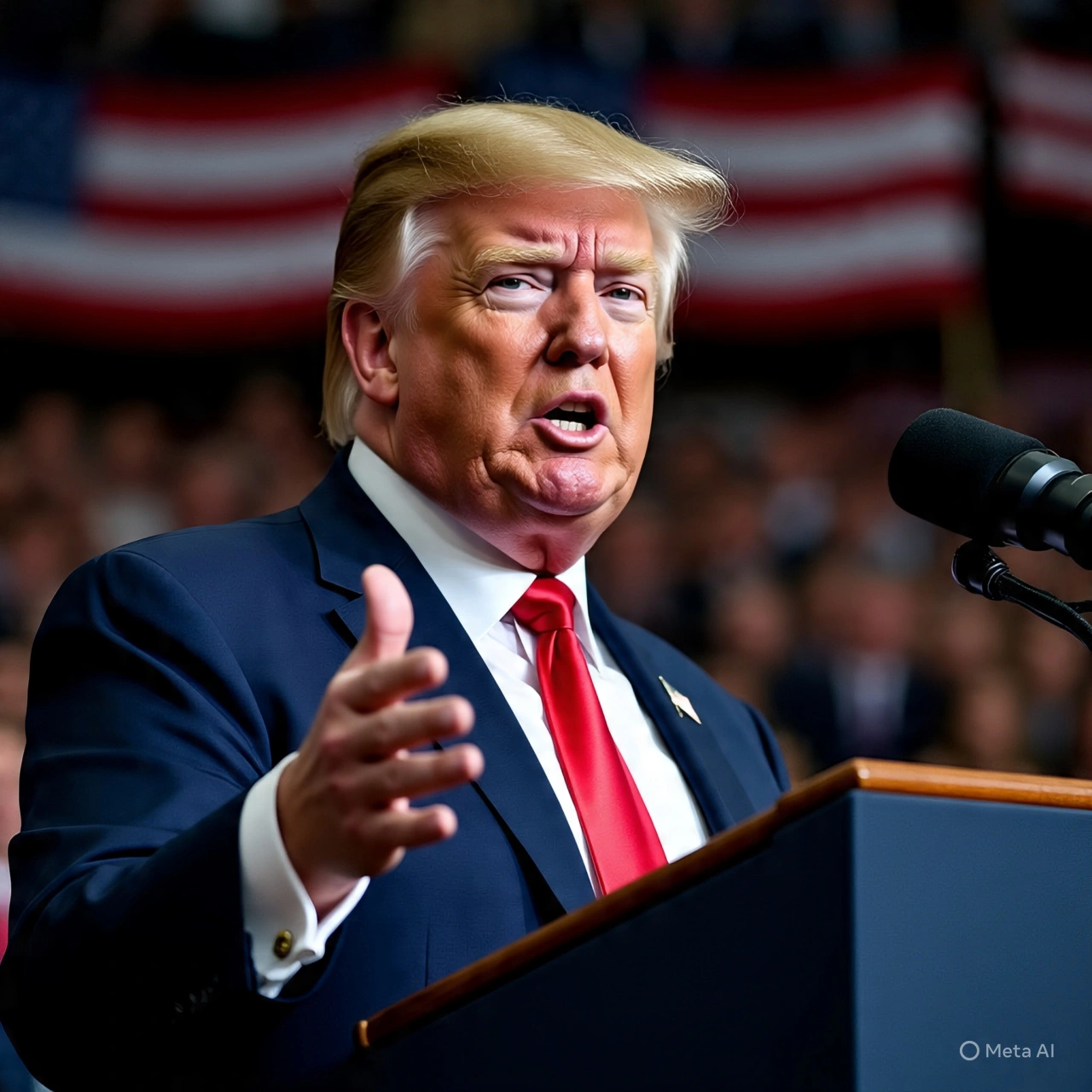
Donald Trump saw the news about the Iranian women asking for asylum and wanted to help. He made Trump asylum comments on social media, saying it would not be right to send the women back to Iran because they could be in danger. Trump told Australia to give them safety. He even said the United States could help if needed. Donald Trump is very well known, so when he spoke, many people started talking more about the Iran asylum debate. His words made people everywhere think about human rights in Iran and the Iran political crisis. Trump showed that when world leaders speak up, it can really help, even with U.S.–Iran tensions and big problems in Iran.
Many people thought about Jafar Panahi while all this was happening. He is a famous Iranian filmmaker who makes movies about real life in Iran. His political movies show how hard it is when people fight against unfair rules, especially women who are strong and brave. The Iranian women asylum case felt like something from one of his movies- a true story that was as dramatic as a film. It showed that real life and art can be very similar, and that brave people sometimes have to do risky things to try to make their lives better.
At the end, Australia said yes and let the five soccer players stay and be safe in their new country. This was a big win in the Iranian women asylum case and gave hope to others worried about the Iran political crisis. Their story showed how life can be hard when people do not have freedom. Now, these five women are safe, but the Iran asylum debate and questions about human rights in Iran are still important. This case reminds us that doing the right thing is important, even when it is not easy.
This story shows how sports, politics, and movies can all be linked. Jafar Panahi is a famous Iranian filmmaker who makes movies about real problems in Iran. In his political movies, he helps people see what is really happening during the Iran political crisis. What happened to the Iranian women soccer players is just like one of his stories- it nearly feels like a movie-like political scenario. The Iran asylum debate got more attention because Donald Trump joined in and talked about human rights in Iran. When one person does something brave, like these women did, it can help make big changes in real life.
For everyone at American’s Corner, this story means more than just a soccer game. It shows us that even a quiet action can give hope to people everywhere. These five women stood up for their rights in a simple way, but it was very important. Their story teaches us how freedom matters. It also shows that leaders, like Donald Trump, can help people know about the Iran asylum debate and protect those in danger. When there are problems like the Iran political crisis or worries about human rights in Iran, movies and real news stories remind us why saying or doing the right thing is so important.
At the soccer game, the players did something simple but very important- they did not sing the national anthem. This was a risky choice because, in Iran, breaking rules like this can cause big problems. Even though their protest was small, it was very brave and showed the world there are many problems with human rights in Iran and that the Iran political crisis is serious. Many people started thinking about political movies and the work of Jafar Panahi, who is a famous Iranian filmmaker. His movies often show art reflecting real-world politics, with people making hard choices when rules are strict. Just like in a movie-like political scenario, these women were brave by speaking out without saying anything. The Iranian women asylum case showed everyone how one small action can cause danger but also give hope for change.
Very quickly, this story spread everywhere, not just among people who like sports. People talked about U.S.–Iran tensions and the Iran asylum debate on TV and online. This Iranian women asylum case made many see how serious the Iran political crisis is. These five women wanted only one thing: to be safe. Their story felt like something from political movies, where people must make hard and risky choices. That is just like what the Iranian filmmaker Jafar Panahi shows in his films. Life for these women was dramatic, almost like a movie-like political scenario. Each choice they made was important for their future and for the bigger talk about human rights in Iran.
This true story got more attention because Donald Trump spoke about it. He made Trump asylum comments on the internet, saying that Australia should not send the women back to Iran. Donald Trump said the Iranian women asylum case was very serious because the players could be hurt if they returned. His words made people talk more about the Iran asylum debate and about human rights in Iran. Because Donald Trump spoke up, even more people around the world saw how the Iran political crisis was making things dangerous for these women. His comments showed that when a leader says something, it can help others and give them hope, even when there are U.S.–Iran tensions.
Many people thought about Jafar Panahi, a famous Iranian filmmaker, when they heard this news. He is known for making political movies that show how hard life is in Iran with strict rules. In his movies, we see art reflecting real-world politics. The Iranian women asylum case was like a real movie-like political scenario, just like in Panahi’s films. His stories are often about women, the Iran political crisis, and human rights in Iran. Just like in the Iran asylum debate, these soccer players showed how sports and politics can come together. Watching what happened was like seeing a Jafar Panahi movie in real life. It helped people everywhere understand U.S.–Iran tensions and why all of this is important.
In the end, Australia gave the five women from the Iranian soccer team a safe new home. This was a big help for the women and gave them hope. It showed the world that people care about the Iran political crisis and human rights in Iran. But the Iran asylum debate is not over yet. Many people in Iran still hope for more freedom and safety in the future.
Donald Trump played a big part in this story. When he heard about the Iranian women asylum case, he made strong Trump asylum comments and told Australia not to send the players back to Iran. Trump said that sending them back could be very dangerous for the women. Because Donald Trump is famous, many more people learned about the Iran asylum debate and started talking about it. His support made the Iranian women asylum case more important around the world. Trump showed that world leaders can help when there are problems with human rights in Iran, the Iran political crisis, and U.S.–Iran tensions. A lot of people agree that Trump’s words helped protect the players and showed the world why freedom is important.
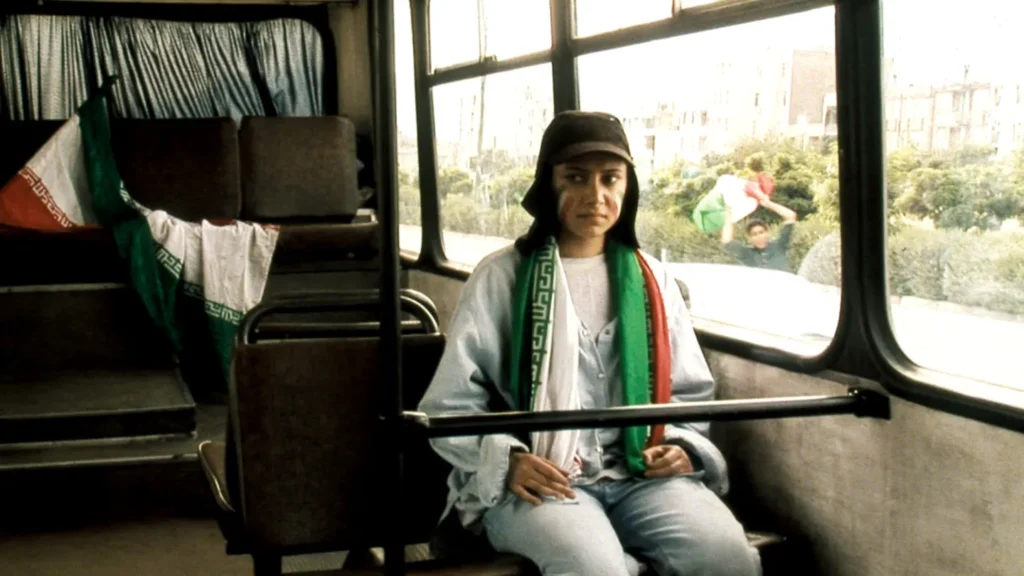
Many people said this story felt just like a political movie. It was almost like watching a movie-like political scenario in real life. This made people think of Jafar Panahi, a famous Iranian filmmaker. Jafar Panahi makes films about real-life problems in Iran, and about how hard it is for people to speak up. His movies help people around the world understand the Iran political crisis and why it is hard for some people to live freely in Iran. By telling these stories in his movies, Panahi makes it easier for everyone to see why freedom in Iran is so important.
So, people are still talking about the Iran asylum debate and human rights in Iran. The Iranian women asylum case shows us that sports, movies, and real life are all connected, especially now with U.S.–Iran tensions. Famous people like Donald Trump and the Iranian filmmaker Jafar Panahi show us that real change needs brave actions. This story proves that the fight for freedom and better rights in Iran is still going on.
This story shows us that art and real life can be very similar. Movies by the Iranian filmmaker Jafar Panahi often show real problems in Iran, just like what happened to these women. In his political movies, we see that people sometimes have to make hard and brave choices when facing tough rules. The Iranian women asylum case is a true story that feels like a political movie or a movie-like political scenario. As people talk more about the Iran asylum debate, we can see how sports, movies, and brave actions help everyone understand human rights in Iran, especially now with the Iran political crisis, U.S.–Iran tensions, and when leaders like Donald Trump make important Trump asylum comments that change real people’s lives.
This story is not just about soccer. It is a powerful narrative about courage, international diplomacy, and the intense intersection of sports and politics. From a quiet moment of defiance to a covert rescue operation involving Australian federal police and a surprising intervention from former U.S. President Donald Trump, the events of the past week highlight the ongoing struggles faced by women under oppressive regimes.
Here at American’s Corner, we value the universal pursuit of freedom. Let us dive into the timeline of these events, the geopolitical backdrop, and what this means for the global human rights movement.
A Silent Protest Heard Around the World
The ordeal began during the team’s opening match against South Korea at the Women’s Asian Cup hosted by Australia. As the Iranian national anthem echoed through the stadium, the players made a profound choice. They stood in complete silence.
To a casual observer, a silent team might seem unremarkable. However, under the strict rules of the Iranian regime, this act carried massive weight. Observers widely interpreted the silence as a direct protest against the Iranian government and its long history of suppressing women’s rights and suppressing domestic dissent.
The players knew the risks associated with their actions. Iran has a well-documented history of heavily monitoring and punishing athletes who defy state mandates or express solidarity with anti-government movements. By refusing to sing, these women put their careers, their freedom, and their very lives on the line.
The Backlash and the Threat Back Home
The reaction from Iranian authorities was swift and merciless. State media immediately targeted the players. One prominent television presenter labeled the athletes “wartime traitors,” framing their silent protest as an act of profound dishonor and betrayal against the nation.
This harsh rhetoric did not happen in a vacuum. Iran has been experiencing significant domestic turmoil and heightened military tensions. Recent months have seen widespread protests across Iran, driven by economic hardship and strict social controls. The government has responded to these protests with severe crackdowns.
For the soccer players, the message from Tehran was clear. Returning home meant facing potential imprisonment, persecution, or worse. Despite Iranian officials later claiming the team would be welcomed back with “open arms,” the players and their advocates knew the grim reality waiting for them. The threats were credible, and the need for immediate protection became undeniable.
Seeking Refuge Down Under
Recognizing the immense danger they faced, five members of the team made the agonizing decision to seek asylum. They reached out to Australian authorities, setting off a tense, days-long covert operation to secure their safety.
The extraction required careful coordination. Australian Federal Police and the Department of Home Affairs worked discreetly to separate the five women from their Iranian government handlers. Police officers eventually escorted the players through a back door of their Gold Coast hotel, helping them evade both minders and the intense media scrutiny surrounding the team.
Authorities transported the women to a secure safe house. There, they met with migration agents and Australian Home Affairs Minister Tony Burke. In the early hours of the morning, the Australian government officially processed and granted their humanitarian visas.
Minister Burke later confirmed the successful operation, stating that Australia had taken the team into its heart. He assured the players that they were welcome to stay, live safely, and build a new home in the country. The Australian government also extended an open offer of assistance to the remaining team members, acknowledging the highly delicate and personal nature of their situation.
Donald Trump’s Unexpected Intervention
As the drama unfolded behind closed doors, the situation caught the attention of former U.S. President Donald Trump, who used his platform to advocate for the players’ safety.
Trump took to social media to apply public pressure on the Australian government. He warned that forcing the women to return to Iran would be a “terrible humanitarian mistake,” bluntly stating that the players would likely face death if deported. Trump directly urged Australian Prime Minister Anthony Albanese to grant them asylum immediately.
To underscore his commitment, Trump made a bold offer: if Australia refused to take the women in, the United States would step up and provide them with a safe haven. This intervention brought a massive wave of international attention to the players’ plight.
The political pressure clearly aligned with the ongoing efforts of the Australian government. Shortly after Trump’s public statements, Prime Minister Albanese and Trump connected over a late-night phone call. Albanese informed Trump that the rescue operation was already in motion and that the women were safe. Trump subsequently praised the Prime Minister, acknowledging that Albanese was doing a “very good job” handling a highly sensitive diplomatic crisis.
For American observers, Trump’s advocacy represents a significant moment of using political leverage to protect dissidents. It highlights how American leaders can still influence global human rights outcomes, pushing allied nations to act swiftly in the face of tyranny.
Global Reactions and Human Rights Ramifications
The successful asylum bid sparked a wave of relief and support from human rights organizations and sports advocates worldwide. FIFPRO, the global soccer players’ union, had previously demanded urgent intervention from international sporting bodies to protect the Iranian team. They celebrated the safety of the five women but maintained deep concern for the rest of the squad.
The athletes who chose not to seek asylum eventually boarded flights back to Iran. Many experts note that these women likely faced impossible choices, weighing their own safety against the safety of their families back home. The Iranian regime frequently uses threats against family members as a tool to control its citizens abroad.
Advocacy groups continue to monitor the situation closely. They point to this event as a glaring example of why international sporting organizations must establish stronger frameworks to protect athletes from authoritarian regimes. Silence is not a neutral position when athletes face imprisonment for simply expressing their civic rights.
Sports, Politics, and the Fight for Freedom
We often like to believe that sports exist in a vacuum, separate from the messy realities of global politics. However, history tells a different story. From the Olympic podium to the soccer pitch, athletes have consistently used their visibility to challenge injustice.
These five Iranian women join a long, honorable lineage of sports figures who risked everything for their principles. Their story transcends soccer. It serves as a stark reminder of the liberties we often take for granted in free societies. The ability to speak your mind, or to simply stand in silence, is a fundamental human right that millions around the world are still fighting to secure.
Australia’s decision to grant these humanitarian visas follows a precedent set a few years ago when the country took in members of the Afghan women’s cricket team after the Taliban seized power. These actions demonstrate the vital role democratic nations must play in providing refuge to those fleeing oppression.
Looking Forward
The five Iranian soccer players are now beginning a new chapter in Australia. They face the daunting task of building new lives far from their homeland, carrying the emotional weight of leaving their teammates and families behind.
Their bravery has cast a powerful spotlight on the ongoing human rights abuses in Iran. It also serves as a testament to the impact of international solidarity. When governments, political leaders, and global citizens raise their voices together, they can force action and save lives.
As we watch these events unfold, it remains crucial for free nations to keep their doors open to those fleeing persecution. The courage displayed by these five women should inspire us all to remain vigilant in the defense of liberty and human dignity, no matter where the battle takes place.