

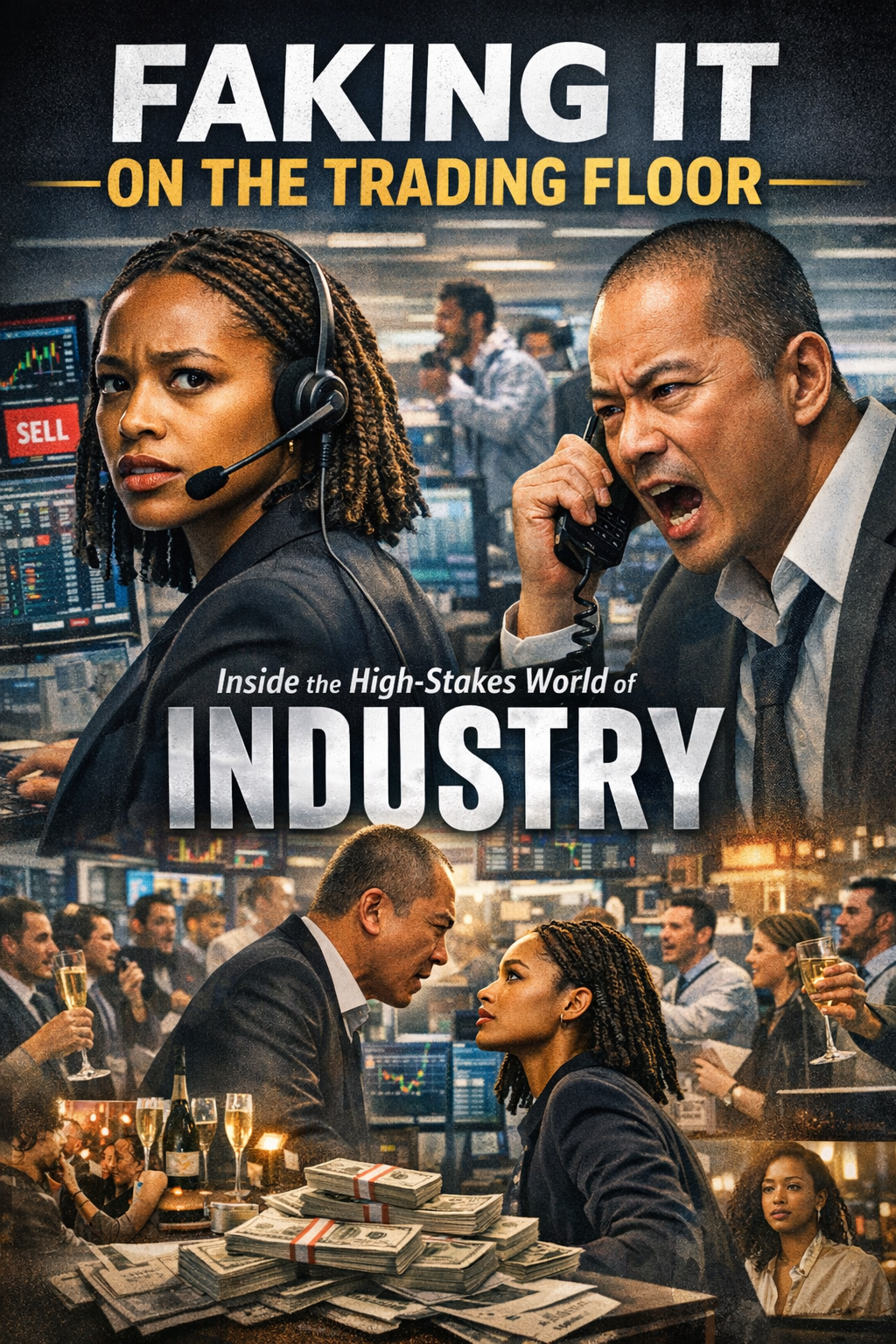
If you have been watching television lately, you might have stumbled upon one of the most stressful and exciting shows on air right now. That show is HBO’s Industry. It is fast, it is loud, and it is full of people shouting about money.
The characters on the screen seem to know exactly what they are doing. They shout out terms like “short selling” and “dividends” with total confidence. You might watch it and feel a little confused by all the jargon. Well, here is some good news for you. The actors are just as confused as we are.
Recent news from the set reveals that even the main stars do not always understand the financial talk in the script. It turns out that looking smart is just part of the acting job.
The High Stakes World of Industry:
For those who are new to the series, Industry is set in the cutthroat world of international finance in London. The story follows a group of young graduates competing for a limited number of permanent positions at a top investment bank called Pierpoint & Co.
The show is not just about numbers. It is about ambition. It is about how far young people will go to secure their future. The trading floor at Pierpoint is a pressure cooker. The phones are always ringing. People are screaming across the room. The difference between a good day and a bad day can be millions of dollars.
But the drama does not stop when the market closes. The show is famous for its depiction of the characters’ personal lives. It involves relationships, parties, and a lot of bad decisions. It paints a picture of a “work hard, play hard” culture that looks exhausting to live in.
Faking It on the Trading Floor:
The star of the show is the talented actress Myha’la. She plays Harper Stern, a brilliant young woman from New York who lies about her college transcript to get her foot in the door. On screen, Harper is a financial wizard. She sees opportunities that others miss. She makes bold trades that shock her bosses.
However, the reality behind the scenes is very different. Myha’la recently joked that she actually gave up trying to understand the financial world after the first season.
During a recent screening event in New York City, she was very honest with the audience. She admitted that she tried to learn it all in the beginning. But eventually, she realized it was too much. “There is only so much I am going to understand about this,” she said.
So, how does she make it look so real? She focuses on the stakes of the scene rather than the math. She explained that she does not need to know how the stock market works. she just needs to know if her character is winning or losing. She asks the writers if a trade is good or bad for Harper. That is all she needs to deliver a great performance.
Even the Boss is Confused:
Myha’la is not the only one who feels this way. Her co-star Ken Leung plays Eric Tao, the terrifying managing director at the bank. Eric is loud, aggressive, and seems to know everything about the market.

But in real life, Ken Leung says the financial jargon is just “noise” to him now. He joked that he might actually know less now than when he started.
The cast is lucky because the show’s creators used to work in finance. They also have consultants on set to help. When there is a big trading scene, an expert explains what is happening emotionally. They tell the actors when to look stressed and when to look happy. This allows the cast to focus on the drama between the people, rather than the numbers on the computer screens.
The Complex Bond Between Harper and Eric:
One of the best parts of the show is the relationship between Harper and Eric. It is the heart of the series. Eric is Harper’s boss, but he is also her mentor.
Their dynamic is complicated. Sometimes Eric protects Harper. Other times, he is incredibly hard on her. He sees a lot of himself in her. He recognizes that she is an outsider who is willing to do whatever it takes to survive.
Harper looks up to Eric, but she is also not afraid to challenge him. They often clash, but there is a deep respect between them. They are both willing to break the rules to get what they want. In Season 4, this relationship continues to evolve in surprising ways. They often ask themselves if they should be partners or enemies.
Themes of Survival and Inequality:
While the finance talk might be confusing, the themes of the show are very clear. Industry is really about survival.
Harper is a young Black woman in a world dominated by white men. She does not come from a wealthy background like many of her colleagues. She does not have the same safety net. If she fails, she loses everything.
This adds an extra layer of tension to her character. Myha’la portrays Harper as someone who is constantly fighting for her spot. She has to be sharper and faster than everyone else because the system was not built for her.
The show does a great job of highlighting these systemic inequalities. It shows how class, race, and gender affect how people are treated in the workplace. The characters who come from rich families get second chances. Characters like Harper do not.
Conclusion:
You do not need an economics degree to enjoy Industry. The show is successful because it focuses on human behavior. We watch to see if Harper will succeed or self-destruct. We watch to see if Eric will finally show a softer side.
The news that the actors do not understand the finance part is actually quite refreshing. It reminds us that at the end of the day, they are telling a story about people. The stock market is just the setting for a much bigger drama about power, loyalty, and betrayal.
So, the next time you see Harper Stern making a million-dollar trade on your screen, just remember that Myha’la is probably just wondering if she is supposed to look happy or sad. And honestly, that makes her performance even more impressive.