
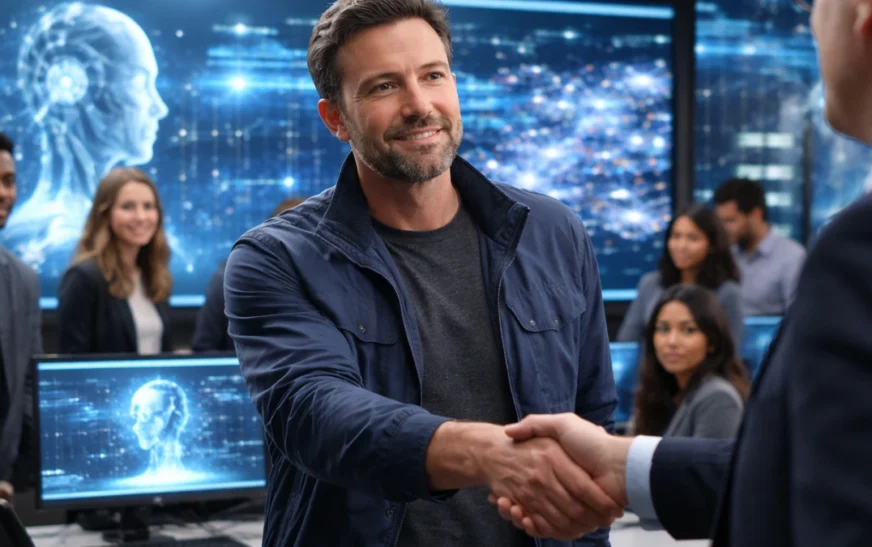
Hollywood and Silicon Valley are coming closer together than ever before. Netflix, the streaming giant that has changed the way we watch movies since Netflix was founded, just made headlines by acquiring InterPositive, an AI business started by superstar Ben Affleck. This isn’t just business as usual; it’s one of the biggest virtual production news today and is making waves for filmmakers everywhere.
Netflix has a long history of supporting big ideas and partnering with some of the world’s most talented people, from giant actors in blockbuster films to independent creators. Now, with Ben Affleck news everywhere, the focus is on how this new technology will help both filmmakers and the wider industry. Is click on Netflix more enticing now? Absolutely, especially as fans wonder what is on Netflix next and how these new tools could change the platform.
The deal means InterPositive’s whole team, plus the expertise of Ben Affleck- whose family is also known for Casey Affleck movies- are now under the Netflix umbrella. Even as more actors female black gain leading roles in original series, this AI movie Netflix partnership could open further doors for diversity in storytelling. And for viewers enjoying their Netflix trial or searching for what is on Netflix, this kind of tech could mean even more creative shows to binge.
In fact, a lot of people are curious about the Netflix founder and how decisions are made at the top. While Ben Stone and even Justin Grey Stone aren’t Netflix founder, their names often come up in behind-the-scenes discussions. But it’s Ben Affleck’s move from actor to AI business owner that’s front and center.
This entire move isn’t just about being bought out or acquiring a competitor. Instead, it’s about giving filmmakers better tools. Think about the problems a filmmaker faces while shooting in Los Angeles- Netflix understands these issues, from finding efficient office movers Bel Air crews to keeping up with virtual production news today. The InterPositive deal provides high-level solutions in an industry that sometimes feels like “just business” and not enough about art.
For people who love Casey Affleck movies or want to see more actors female black leading big films, these technological advances- combined with Netflix’s resources- could be game-changers. A filmmaker can now fix missing shots, adjust strange lighting, or even erase a background mistake far more easily. It feels almost magical and brings to mind classics like The Craft Netflix fans still talk about.
But why is all this important for your Netflix trial experience, or for those who watch with closed captions? For one, innovations like these may improve how to turn off closed captioning on Netflix or make features more user-friendly. Accessibility and simplicity remain priorities, from is click on Netflix available to what is on Netflix suggestions.
Meanwhile, the acquisition also pulls Netflix deeper into the world of AI movie Netflix productions, putting the company in competition with other big studios that are buying other words- literally and figuratively- to stay ahead. Whether you’re interested in virtual production news today or want the inside scoop from Los Angeles, Netflix is sure to stay at the top of your news feed.
Behind all this, giant actors and the Netflix founder keep an eye on moving the business forward. As for Ben Affleck news, he’s now an innovator, not just a star. Some might think of The Replacements Netflix or classics like The Craft Netflix when they imagine what AI could do for film, and now those dreams may be closer than ever.
The question of who is leading the charge also extends into the executive world with names like Ben Stone and Justin Grey Stone. While not directly related to this acquisition, their leadership in other areas reminds us that teamwork and innovation go hand-in-hand at a place like Los Angeles Netflix headquarters.
And don’t forget the importance of smooth transitions- not just in movies, but in real life. Whether it’s about bringing in efficient office movers Bel Air for big set moves or understanding how to handle new technology, both Netflix and the world of filmmakers have to adapt quickly.
When you start your Netflix trial today, ask yourself: what is on Netflix tomorrow? With these new tools for filmmakers, Netflix is making sure you always find something fresh and exciting. From actors female black landing groundbreaking roles to icons like Ben Affleck rewriting how films are made, the future is both bright and unpredictable.
So, as you scroll through your options and maybe even wonder how to turn off closed captioning on Netflix, just remember that every part of what keeps Netflix great- rom the Netflix founder’s early vision to the latest Ben Affleck news- comes down to empowering storytellers. It’s not just business, it’s about building the world’s best stories- for everyone.
For readers of American’s Corner, this news represents a massive shift in how our favorite movies and television shows will come to life. Netflix has essentially decided to buy rather than build the next generation of filmmaking technology.
This deal brings InterPositive’s entire 16-person team of engineers, researchers, and creative executives under the Netflix umbrella. Affleck himself will step into a new role as a senior advisor for the streaming giant.
In this post, we will break down exactly what InterPositive does, why Netflix wants it, and how Ben Affleck plans to use AI to protect human creativity rather than destroy it.
What Is InterPositive?
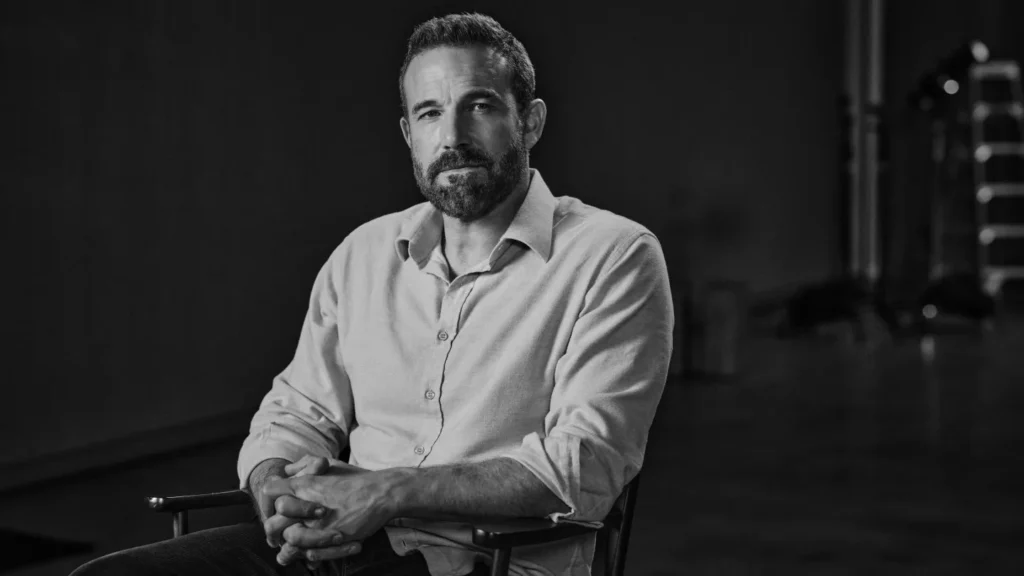
Ben Affleck quietly founded InterPositive in 2022. He spent time observing early artificial intelligence models and realized they completely misunderstood the actual needs of film directors.
Most people hear “artificial intelligence in Hollywood” and picture a computer generating a fake movie from a simple text prompt. InterPositive does not do this. The company completely avoids generative AI. It does not create content from scratch.
Instead, InterPositive serves as an advanced assistant for post-production. The system builds a unique AI model based strictly on a specific movie’s existing daily footage.
A Tool Built for Filmmakers, Not Replacements
Directors and editors use this custom model to tackle the most frustrating and expensive parts of finishing a film. The technology understands visual logic and editorial consistency.
It specifically addresses real-world production headaches. If a crew misses a crucial transition shot, the software can help bridge the gap. If the lighting changes drastically between two takes, the AI can seamlessly match them.
The software also handles tedious visual effects work. Editors can use it to erase stunt wires, replace messy backgrounds, and reframe awkward camera angles.
Solving Real-World Production Headaches
Affleck and his team trained their first model using a proprietary dataset. They captured this data on a closed, highly controlled soundstage. They replicated real production environments to teach the software how light shape-shifts across a scene and how camera lenses distort images.
This hyper-focused training means the tool speaks the language of cinematographers. It gives editors and directors the precise control they expect when handling a multi-million dollar blockbuster.
Because it relies only on the footage shot by actual humans on a real set, it keeps the core of the movie entirely authentic.
Netflix’s Vision for the Future of Film
Netflix rarely buys outside companies. The streaming giant usually prefers to build its own technology from the ground up. This acquisition shows just how valuable they consider Affleck’s specific approach to artificial intelligence.
The purchase also follows a major strategic pivot for Netflix. Just recently, the company pulled out of a massive bidding war to acquire the studios and streaming assets of Warner Bros. Discovery. Instead of buying a legacy movie studio, Netflix chose to invest heavily in the technology that will define the next century of entertainment.
Netflix plans to integrate InterPositive directly into its creative ecosystem. They will offer these tools exclusively to the filmmakers and showrunners who partner with the network.
Empowering Storytellers with Tech
Elizabeth Stone, the Chief Product and Technology Officer at Netflix, strongly emphasized the company’s core philosophy regarding this deal. She noted that current generative AI platforms simply do not operate from the perspective of a filmmaker.
Netflix believes that innovation should empower storytellers, not replace them. They want to give creators tools that naturally support their artistic visions.
Bela Bajaria, Netflix’s Chief Content Officer, echoed this sentiment. She pointed out that Netflix grounds its relationship with artists in deep trust. The network wants to provide directors with more choices and ultimate protection over how their shows look and feel.
Ben Affleck’s Commitment to Responsible Innovation
Ben Affleck brings serious Hollywood credibility to this tech venture. He holds a long, successful track record as a writer, actor, and director. He understands the anxiety that artificial intelligence creates among writers, actors, and film crews.
Affleck actively advocates for responsible technology. He serves as a member of the Creators Coalition on AI. This group commits to human-centered innovation and demands that technology respect the artists who dedicate their lives to storytelling.
When Affleck built InterPositive, he intentionally coded restraints into the software. These guardrails protect creative intent and ensure that the ultimate decisions always remain in the hands of a human artist.
Keeping the Human Touch
Affleck firmly believes that judgment makes storytelling human. He argues that the kind of artistic judgment needed to make a great film takes decades to build. A computer cannot replicate the emotional intuition of a seasoned director.
He views InterPositive as a way to eliminate the laborious, less creative, and highly costly aspects of making movies. By lowering these technical barriers, he hopes to make it easier for fresh voices to enter the industry.
If a young filmmaker can handle complex visual effects without a massive budget, we will likely see a surge in high-quality independent cinema. Affleck wants the benefits of this technology to flow directly back to the storytellers.
How This Shakes Up the Entertainment Industry
The timing of this acquisition matters immensely. Hollywood remains deeply fractured over the role of artificial intelligence. Recent industry strikes centered heavily on protecting human workers from digital replacements.
Many crew members, visual effects artists, and actors worry that studios will use tech to cut jobs and slash budgets. They fear a future where algorithms dictate art.
Netflix and Affleck aim to present a counter-narrative. By bringing InterPositive into the mainstream, they hope to prove that artificial intelligence can serve as a collaborator rather than a competitor.
Navigating Hollywood’s Tech Fears
This deal puts Affleck in a unique position. He now acts as a high-profile evangelist for ethical AI in Hollywood. His existing relationship with Netflix only strengthens this dynamic. His production company, Artists Equity, recently signed a major streaming deal with the network, and his next directorial feature will premiere there later this year.
If InterPositive works as promised, it could revolutionize post-production. Movies could hit our screens faster. Showrunners could stretch their visual effects budgets further, bringing us more visually stunning television series.
However, the industry will watch closely. Tech and media companies face heavy scrutiny from labor unions and industry veterans. Netflix must prove that it will use these tools to uplift crews rather than bypass them.
A New Era of Hollywood Storytelling
The acquisition of InterPositive marks a defining moment for the entertainment business. Netflix has clearly planted its flag. The company sees artificial intelligence as an essential, permanent tool for the future of filmmaking.
Ben Affleck’s transition from leading man to tech founder highlights a brilliant understanding of where the industry is heading. He recognized a problem, built a highly specific solution, and partnered with the biggest streamer in the world to scale it.
For viewers, this means our favorite content will likely look better and arrive faster. For filmmakers, it offers a powerful new brush to paint their digital canvases.
We will continue to monitor how this technology shapes the movies and shows we love. Keep checking back with American’s Corner for more updates on how technology continues to rewrite the rules of American culture and entertainment.