

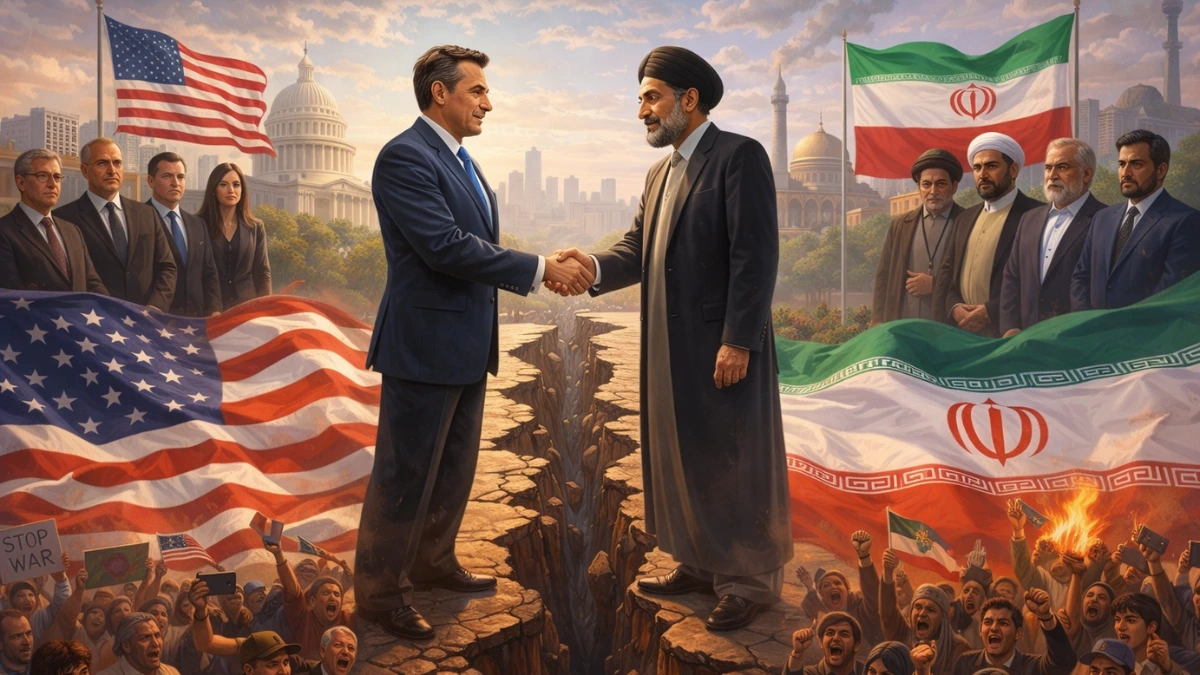
The relationship between the United States and Iran always seems to be hanging by a thin thread. Every time you turn on the evening news, there is another conflict brewing or a breakdown in communication. But what does it actually take to bring both sides to the table? We need to look closely at the moving parts to understand how leaders might finally calm things down.
Understanding this divide is not just for political experts. The decisions made by leaders across the globe eventually affect everything from gas prices to global safety. By looking at the core issues, you will see why fixing this strained relationship matters to everyone. Let us break down the complex web of global politics and see what a realistic path to peace might look like.
Who Are the Key Players Right Now?
Let’s talk about the people trying to steer this massive ship. You have familiar faces from the past, like former President Donald Trump, whose previous policies drastically shifted the rules of the game and changed how Washington approaches the Middle East. Then there are newer voices stepping into the spotlight, such as Senator JD Vance, representing a shifting perspective in American politics regarding foreign involvement and financial commitments abroad.
Over in the Middle East, top diplomats like Abbas Araghchi are working to protect their nation’s interests while navigating immense international pressure and economic struggles. Sometimes, unexpected leaders step in to help mediate the chaos. For example, Pakistan’s Prime Minister Shehbaz Sharif often tries to balance his country’s delicate relationships with major global powers to maintain stability in his own backyard.
These individuals are all caught in a web of complex high-level negotiations, which are essentially intense, top-tier talks where leaders try to reach agreements without resorting to physical conflict. When the stakes are this high, every single word spoken by these leaders matters immensely.
What Is at Stake in the Middle East?
The absolute main goal for many diplomats right now is preventing a broader, more destructive war. No one wants to see a regional escalation, a terrifying scenario where local fights pull neighboring countries into a massive, uncontrollable conflict. To stop this domino effect, leaders are focusing their energy on specific hotspots that need immediate attention.
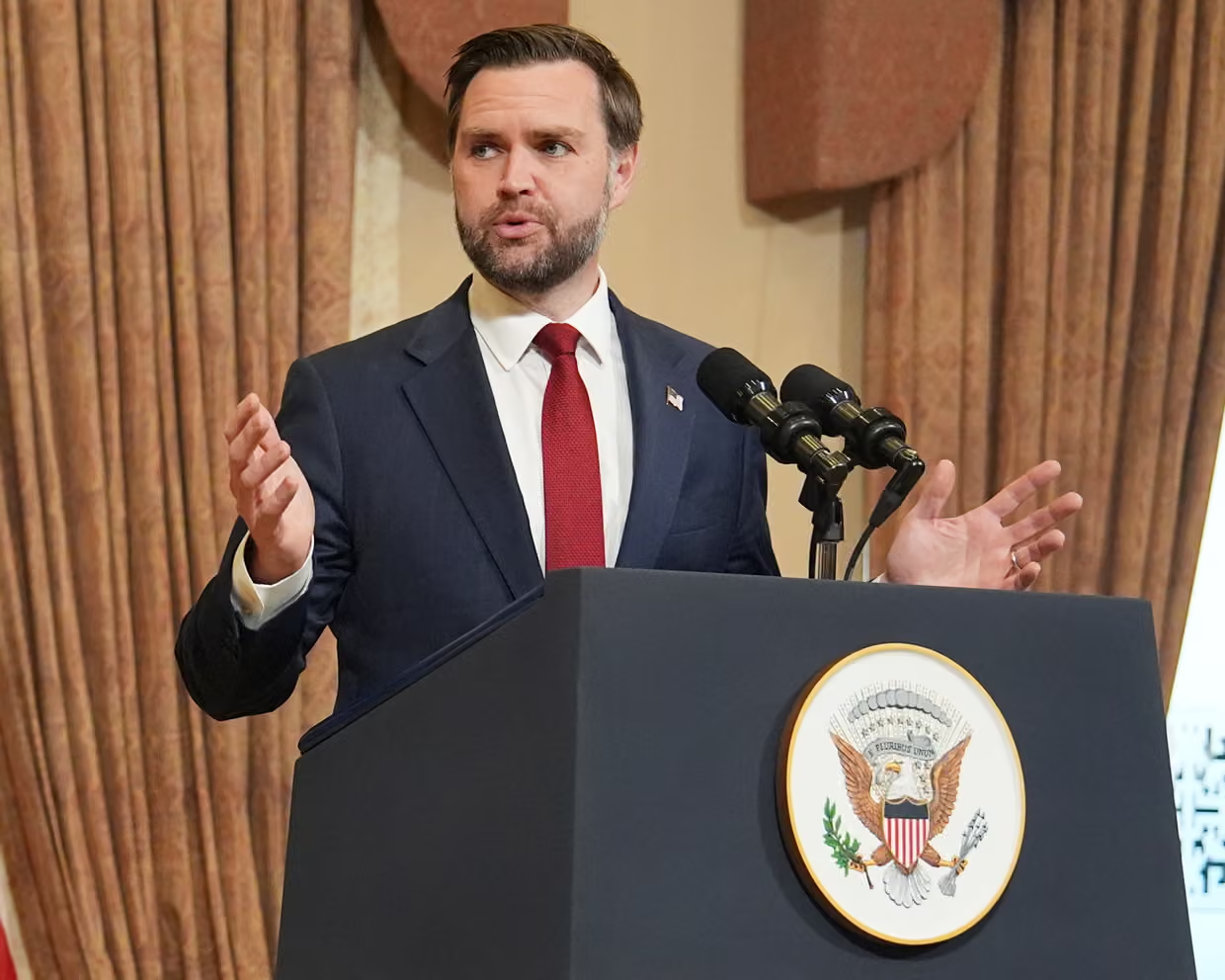
For instance, securing a ceasefire in Lebanon- an agreement to temporarily stop all fighting and bombings in that specific area- would bring massive relief to a civilian population completely caught in the crossfire. Finding common ground on these immediate, life-or-death crises is the only way to build enough trust for long-term solutions. It takes a lot of careful talking and compromise to ensure a small spark does not burn the whole house down. We have to remember that behind every political chess move, there are real families waiting for the violence to stop.
The High Price of Peace and Safety
Finding peace between countries is never simple. It takes time, trust, and many difficult discussions. In the case of the United States and Iran, one of the biggest challenges is balancing national security with economic recovery. Both sides have concerns that must be addressed before they are willing to make major compromises.
One of the most important topics in these discussions is sanctions relief. Economic sanctions are restrictions that limit a country’s ability to trade, do business, and access international financial systems. Supporters of sanctions believe they encourage governments to change their policies without using military force. However, critics argue that sanctions often make life harder for ordinary people by increasing prices, reducing job opportunities, and limiting access to important goods. This is why sanctions relief remains one of the most debated parts of diplomatic negotiations.
Another difficult issue is war reparations. After conflicts, some countries believe compensation should be paid for damage caused during military operations. These payments can help rebuild homes, roads, hospitals, and other important infrastructure. However, deciding who should pay, how much should be paid, and under what conditions is often one of the most challenging parts of peace negotiations. Because of these disagreements, war reparations can delay broader diplomatic agreements.
Security is another major concern. Leaders from many countries want to protect shipping lanes and international trade routes through stronger maritime security. Large amounts of the world’s oil, food, and consumer goods travel by sea every day. If important shipping routes become unsafe because of conflict, global supply chains can be disrupted. This can lead to higher fuel prices, more expensive goods, and economic uncertainty for people around the world. Protecting commercial ships and keeping waterways open is therefore a shared interest for many nations.
Building trust between governments is just as important as solving economic and security issues. Years of disagreements have created deep suspicion on both sides. Diplomats often spend months or even years negotiating small agreements before they are ready to discuss larger problems. Confidence-building measures, such as prisoner exchanges, humanitarian cooperation, or temporary agreements on trade and security, can help create a better environment for future talks.
International organizations and allied countries also play an important role in these discussions. Neutral mediators can help both sides communicate more effectively, reduce misunderstandings, and encourage peaceful solutions. While these negotiations may move slowly, every successful meeting can reduce tensions and lower the risk of future conflict.
Although peace comes with political, economic, and diplomatic costs, many experts believe the benefits are much greater. Successful agreements can improve regional stability, strengthen global trade, reduce military tensions, and create better opportunities for economic growth. In the long run, investing in diplomacy, sanctions relief, maritime security, and peaceful negotiations may cost far less than dealing with the consequences of another major conflict..
Where Do We Go From Here?
Moving forward requires extreme patience and a willingness to compromise. The path to successful US Iran diplomacy- the delicate art of managing the complicated, often hostile relationship between Washington and Tehran- is not going to happen overnight. It requires both sides to give up something they want to achieve a safer world.
You can keep an eye on how these talks progress by following independent international news sources. Pay attention to how the different factions handle small disagreements. Do they rush to anger, or do they sit down and talk? If they can solve minor disputes over trade routes or temporary truces, they might just have a shot at a lasting peace.
Take some time this week to read up on international relations from a few different perspectives. Understanding the motivations of all the countries involved will give you a much clearer picture of where the world is heading next.
FAQs
Relations have been strained for many years because of disagreements over nuclear activities, economic sanctions, regional security, and political differences. These issues have led to repeated diplomatic disputes and periods of increased tension.
US–Iran diplomacy refers to the talks, negotiations, and efforts made by both countries to manage their relationship, reduce tensions, and resolve disagreements through peaceful discussion instead of conflict.
Sanctions relief means removing or reducing economic restrictions placed on a country. In many diplomatic negotiations, sanctions relief may be offered if certain agreements or conditions are met.
Regional escalation happens when a conflict spreads beyond one country and begins affecting neighboring nations. Many world leaders work to prevent regional escalation because it can lead to wider instability and humanitarian crises.
Maritime security helps protect ships, trade routes, and ports from attacks, piracy, or other threats. Safe shipping routes are important because they allow food, fuel, and other essential goods to move around the world without major disruptions.
A ceasefire in Lebanon is an agreement between opposing sides to temporarily stop fighting. Ceasefires help reduce violence, protect civilians, and create opportunities for peace talks and humanitarian aid.
Yes. Although progress can be slow, diplomacy gives both countries a chance to discuss their concerns, negotiate agreements, and reduce the risk of military conflict. Many experts believe continued dialogue is one of the best ways to improve long-term stability in the region.












Leave a comment