
People often talk about what we owe to our country. Recently, a big idea has started making headlines again. The idea is simple but heavy: asking everyone to give a year or two of their lives to help the nation. We call this idea universal national service. It sounds like a fair way to get citizens working together. However, when we look closely, the topic brings up strong feelings and loud arguments.
At the heart of the matter is civic responsibility. What does a citizen really owe their country? Some believe that true citizenship requires effort. They feel we need a system built on shared sacrifice. When everyone gives a little, the whole country gets stronger. This sounds great on paper. But as soon as lawmakers suggest making it a rule, the national service debate heats up quickly. People do not like being told what to do.
Tensions often rise when the world feels unsafe. For instance, worries about the U.S.–Iran conflict have caused people to talk about drafts and duty. When news breaks about the U.S.–Iran conflict, internet searches about military drafts skyrocket. Fear takes over. People wonder if universal national service will just end up being a backdoor to mandatory military service. If the government forces young adults to serve, will they all be sent to fight?
This fear leads to massive public backlash. No one wants to send their children to war against their will. The public backlash shows up on social media, in town halls, and in peaceful protests. People from all backgrounds join together to voice their anger. Much of the criticism of proposal centers on freedom of choice. Critics argue that forcing people to serve takes away basic human rights.
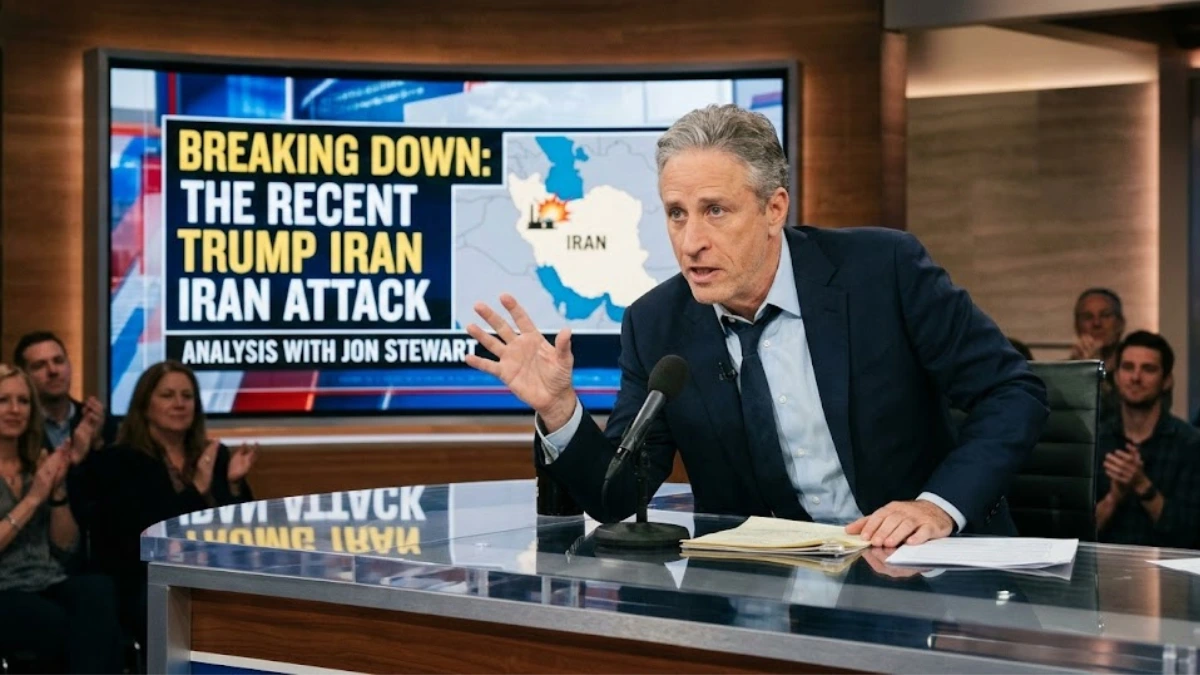
Celebrities also jump into the mix. We see a lot of celebrity political commentary online whenever major news drops. Stars use their massive platforms to share their thoughts. Sometimes, this celebrity political commentary helps explain the issue to young fans. Other times, it just makes people angrier and spreads confusion.
The True Meaning of Civic Duty
Let us break down the idea of civic responsibility. Being a good citizen usually means voting, paying taxes, and following the law. Some leaders think this is not enough. They want to see young people building parks, helping in schools, or caring for the sick. They view universal national service as a way to fix a broken society. They believe that if young people from different states work side by side, they will learn to respect each other.
This vision relies heavily on the concept of shared sacrifice. If everyone gives up a year of their comfort, society gains millions of hours of community work. Advocates for shared sacrifice say it builds character. However, opponents quickly point out the flaws. They fuel the national service debate by asking who really benefits from this work.
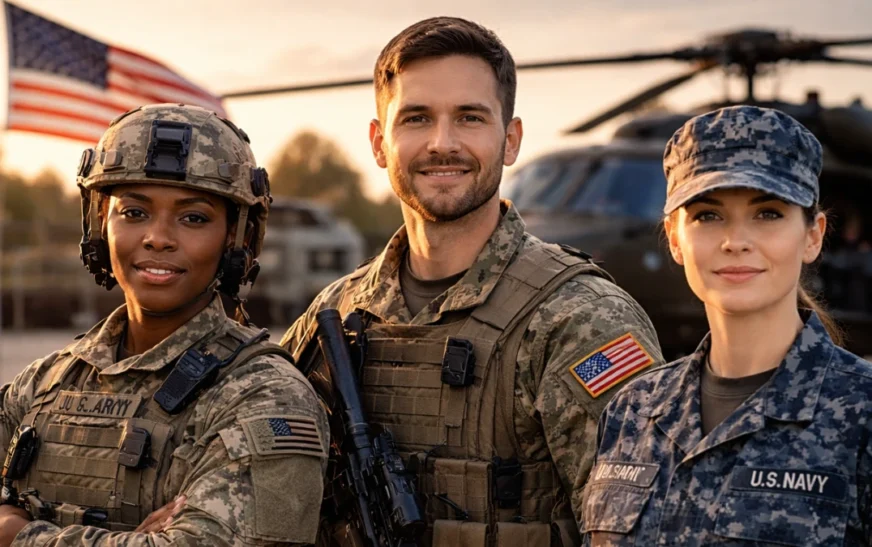
The biggest fear remains mandatory military service. Even if the government promises that most jobs will be peaceful, citizens do not trust the system. They look at global tensions, especially the ongoing worries surrounding the U.S.–Iran conflict, and expect the worst. They fear that a peaceful program will quickly turn into mandatory military service if a real war breaks out.
Because of this deep fear, the criticism of proposal is very loud. Parents and students write letters to their representatives. They state that the criticism of proposal is not about hating the country. It is about protecting personal freedom. This strong defense of freedom is exactly why the public backlash is so fierce. The public backlash stops lawmakers in their tracks.
Famous Voices Join the Fray
When lawmakers stall, pop culture figures often take the microphone. We cannot ignore the power of celebrity political commentary in shaping young minds. When a famous singer or actor tweets about the draft, millions read it instantly. This celebrity political commentary often focuses on the unfairness of forcing the youth to fight older politicians’ wars.
This brings us back to the core of the national service debate. How do we balance safety, freedom, and duty? Some say we should make the programs completely optional. If people want to practice civic responsibility, they can sign up on their own. We can still promote shared sacrifice without forcing anyone into a uniform.
If we look at the idea of universal national service through the lens of choice, it looks much better. Offering free college or job training in exchange for two years of community work gives people a reason to join. They get to serve their community and build their future. This method totally avoids the dreaded mandatory military service label. It gives power back to the people.
When you remove the threat of war, the conversation changes. The U.S.–Iran conflict might still worry people, but it will not stop them from planting trees in their local parks. The criticism of proposal fades away when the program becomes optional and rewarding. Leaders who understand this can turn a giant public backlash into a wave of public support.
Finding Common Ground
The discussion about universal national service does not have to divide the country. Most people agree on one thing: helping communities and supporting the nation are good goals. The disagreement is about how that help should happen. Many people are willing to give their time and skills if they are treated with respect and given a choice. This is why the national service debate continues to focus on freedom as much as service.
Civic responsibility is an important part of every democracy. People already contribute by voting, paying taxes, obeying the law, volunteering, and helping their neighbors. Many believe these everyday actions are just as valuable as joining a national service program. Others feel that a structured program could bring people from different backgrounds together and create stronger communities. Both sides want a better country, but they have different ideas about the best path forward.
The idea of shared sacrifice can still have a place in modern society, but it does not have to mean forcing people into a program they do not support. Shared sacrifice can include volunteering after natural disasters, helping in hospitals, mentoring young students, protecting the environment, or assisting older adults. These kinds of service projects allow people to make a real difference while keeping their personal freedom.
One of the biggest reasons for the public backlash is the fear that universal national service could eventually become mandatory military service. Recent concerns about the U.S.–Iran conflict have made these fears even stronger. Whenever international tensions rise, many people worry that a civilian service program could be changed into a military requirement. Government officials would need to clearly explain the purpose of any program and provide strong legal protections if they want to earn the public’s trust.
Another important lesson from the debate is that people respond better to opportunities than to orders. Instead of requiring service, leaders could offer benefits such as college scholarships, student loan assistance, job training, healthcare support, or career development in exchange for voluntary community service. Programs built on incentives often encourage more participation because people feel they are making their own choice rather than being forced.
Public opinion will also continue to be shaped by media coverage and celebrity political commentary. Well-known actors, musicians, athletes, and online creators can quickly influence how millions of people think about government proposals. While some celebrity political commentary encourages thoughtful discussion, other opinions can increase confusion or political division. This is why it is important for people to look beyond social media and understand the facts before forming opinions.
The government can also learn from the criticism of proposal instead of ignoring it. Listening to students, parents, veterans, educators, community leaders, and young workers can help create a program that reflects the needs of the people. Open discussions and public feedback can reduce misunderstandings and build greater trust between citizens and policymakers.
At its heart, the national service debate is about balancing duty and freedom. Most Americans want to help their communities, but they also want the right to choose how they serve. A voluntary system that encourages civic responsibility, rewards community involvement, and protects individual rights could bring people together instead of pushing them apart.
In the end, the success of universal national service will depend on trust. If people believe they are serving because they want to, not because they are being forced into mandatory military service, they are much more likely to participate. When citizens work together through choice, respect, and a spirit of shared sacrifice, everyone benefits. A nation becomes stronger not because service is required by law, but because its people willingly choose to support one another and build a better future for the next generation.
FAQs
Universal national service is a proposal that asks young adults to spend one or two years serving their country. This service could include community work, disaster relief, education, healthcare support, environmental projects, or, in some proposals, military service. The exact details depend on the plan being discussed.
Not always. Many proposals focus on civilian work instead of military duties. However, some people worry that a required national service program could eventually lead to mandatory military service during times of war or national emergency. This concern is one of the biggest reasons for the ongoing national service debate.
Much of the public backlash comes from concerns about personal freedom. Many people believe that serving the country should be a personal choice rather than a legal requirement. Others are worried about losing time for education, work, or family responsibilities.
Whenever tensions increase because of the U.S.–Iran conflict or other international events, many people begin worrying about military drafts. These concerns often lead to more discussions about universal national service, even though a national service proposal does not automatically mean a military draft.
Yes. Many experts believe civic responsibility can be promoted through voluntary programs, community service opportunities, scholarships, job training, and other incentives. Supporters of this approach say people are more likely to participate when they choose to serve instead of being required by law.