
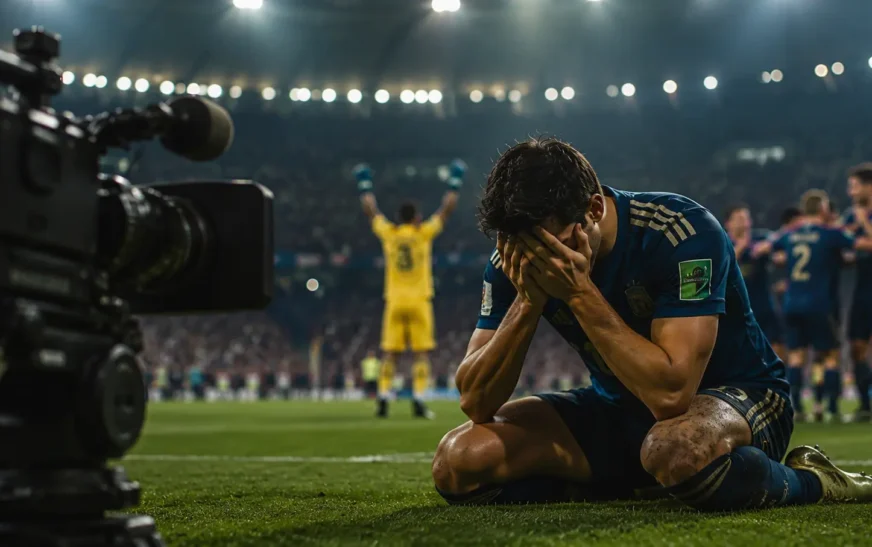
The World Cup Final Cameras Missed the Biggest Moments, and wow, people are still not over it! I sure am not.
Let me set the scene for you.
The stadium is packed. The crowd is loud. The ball flies across the grass. And then, right when something huge happens, boom, the screen shows the sky. Or the fans. Or a coach chewing gum.
Ugh.
Did you feel it too? That little jump in your chest? You leaned in. You waited. And you saw it a beat too late.
You’re not the only one. Trust me. This got loud. Really loud.
So let’s talk about it. Friend to friend. What went wrong? And why did the biggest game on Earth miss the stuff we all tuned in for?
Why the World Cup Final Cameras Missed the Biggest Moments
Here’s the truth. Live football looks smooth. But behind the scenes? It’s a bit of a circus.
Loads of screens. Loads of people. Loads of choices, all happening in a blink.
So when the World Cup 2026 Final Cameras Missed the Biggest Moments, it wasn’t one guy messing up. It never is.
Think about what slipped by. A big goal celebration got cut short. A red-card moment played out somewhere off screen. And a jaw-dropping save? We only saw it on a slow replay.
Each one hurt. Put them together, and fans went nuts.
People jumped online in seconds. Clips flew everywhere. The whole “cameras missed World Cup Final moment” thing started trending before the game even ended!
That tells you something. We really, really care about seeing every second.
But hold on. Before we point fingers, let’s be fair. Modern sports broadcasting is a giant team effort. One tiny wobble, and the whole picture shakes.
How Live Sports Coverage Really Works
Ever wondered what’s inside that big truck outside the stadium? Oh, it’s electric in there!
Picture a room full of screens. Each one shows a different angle. And a director sits there, calling shots faster than the players move. It’s wild.
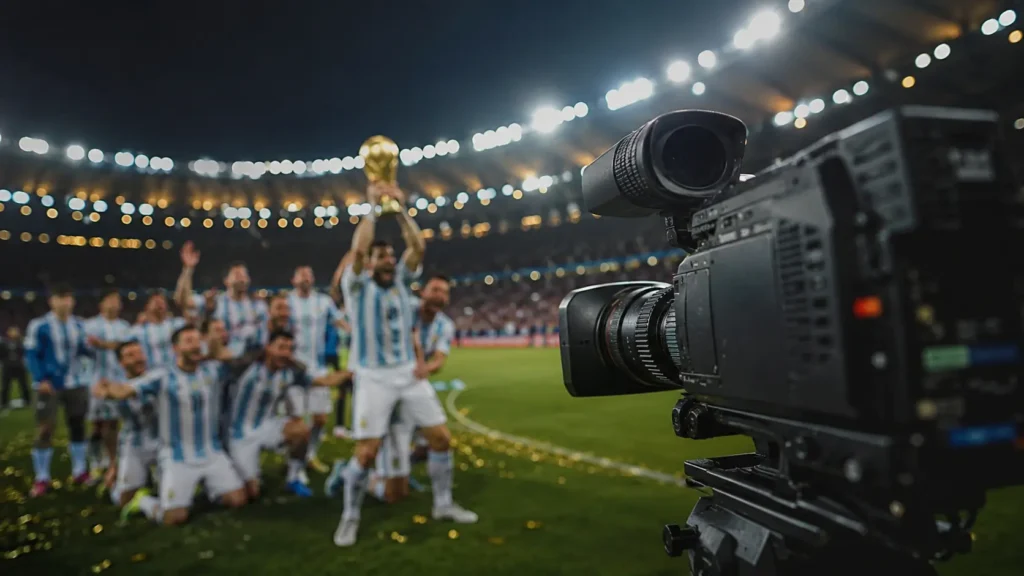
A game like this uses more than 40 cameras. Yep, 40! Some sit way up high. Some race along the side of the pitch. A few even fly on wires above the field.
The director watches them all. Then they pick which one you see at home. In real time. No do-overs.
Now think about the pressure.
The director has maybe two seconds to guess where the action pops next. Two! If a player breaks free on the far side while the camera looks the other way, poof. Gone.
It’s a bit like taking a photo of fireworks. You point where you think the burst will be. And sometimes the sky just surprises you.
Here’s a fun little tip. Next match, watch how fast the angles switch. That’s the director working. When it flows, you don’t even notice. When it slips, you notice right away!
Honestly, TV production at this level is amazing. But even amazing has limits. And this final pushed them hard.
The FIFA Final Camera Controversy, Made Simple
The FIFA Final camera controversy kept growing all night.
Broadcasters got grilled. How did the most-watched game on the planet miss so much? Fans wanted answers. Old pros spoke up. Everyone had a take.
Let’s be honest for a sec. Football is messy. Nobody writes the script. The drama can land anywhere.
Still, we expect a lot from World Cup Final TV coverage. And this time, the gap between what we hoped for and what we got felt big.
A few things likely piled up.
First, the cameras zoomed in tight on players. Great for close-ups. Not great when the action moved wide. Stuff fell outside the frame.
Second, the show kept locking onto the star players. So it missed plays building up somewhere else.
Third, the replays. Sometimes a replay played while something live was happening. So you watched an old moment and missed a fresh one. Oof.
None of that was silly. Each choice usually makes the game more fun to watch. But on a crazy night, they stacked up in the worst way.
And there’s more. Different countries got slightly different feeds. So one fan saw a moment clean. Another saw the crowd. That mix-up spread the confusion fast.
What the Camera Operators Would Tell You
I once talked to a buddy who worked in football broadcasting. Something he said stuck with me.
“You feel every miss right in your gut,” he told me.
That says a lot, doesn’t it?
Camera operators are pros. Real pros. They read the game like players do. They guess the runs. They swing their lens toward the action before it even happens.
And they work in rough spots. Long shifts. Bright lights. Screaming crowds. No pause button. Ever.
One operator called the final “the fastest ninety minutes of my career.” I believe it.
But here’s the catch. A camera operator can only shoot. The director picks what airs. So even a perfect shot might never reach your screen. That’s why blaming one person just isn’t fair.
Wanna hear something cool? Lots of top camera operators study players before big games. They learn who celebrates in which corner. They memorize habits. Wild, right?
That prep usually works like magic. This night, though? The game just ran faster than the plan.
How Broadcasters Can Fix This Next Time
Okay, good news! Every stumble teaches something. And the folks in charge are already talking fixes. That part gets me excited.
One idea is smarter tech. New systems can track the ball and a few players at once. They feed the director better choices, fast. It doesn’t replace human gut. It just adds more eyes. Neat.
Another idea is simple. In big, tense moments, hold a wider shot a little longer. That way you catch the surprise instead of cutting away too soon.
Here are a few steps they’re looking at:
- More overhead cameras to catch plays across the whole pitch
- Better replay timing so old clips don’t cover live drama
- Backup feeds ready to jump in when the main shot misses
- Faster chats between camera operators and the director in big moments
And guess what? Your reactions matter too.
Broadcasters watch those viral clips. They read the complaints. So all that noise you made? It actually shapes future games. Pretty cool!
At its heart, live sports coverage is about connection. It pulls you close to the action. Close to the goosebumps. Close to history.
When TV production learns from a night like this, that connection only gets stronger.
And let’s give credit where it’s due. Covering a FIFA World Cup final is one of the hardest jobs in media. The fact that it usually looks flawless? That’s real talent.
Conclusion
So there you go. The World Cup Final Cameras Missed the Biggest Moments not because someone failed, but because live football is wild and unpredictable and, honestly, kind of beautiful because of it.
The FIFA World Cup asks for perfection from a craft built on split-second guesses. And sometimes the game just wins that race.
You know what I love most, though? How much everyone cares. Fans. Camera operators. Directors. All of us. We want the same thing. To share every unforgettable second together.
That’s why this whole thing matters. And that’s why the next final will probably shine even brighter.
So next time you sit down for a big match, think about the crew chasing history through their lenses. They’re working magic under crazy pressure.
And when they nail it, which is most of the time, oh man, it’s a joy to watch. Here’s to catching every single moment next time!
Frequently Asked Questions
A few small things piled up. The shots were tight, so wide action fell out of frame. Replays sometimes covered live plays. And football is just unpredictable. No single mistake caused it. It was a mix on a chaotic night.
More than 40! There are high stand cameras, pitch-side cameras, and even cameras flying on wires above the field. A director picks which feed you see live, choosing angles in real time as the game moves.
Not fairly, no. Operators only shoot the action. The director picks what airs. So even a perfect shot might never make it to your screen. The whole team shares the job, not one person.
Yes, mostly. Smart systems now track the ball and several players at once. That gives directors better live options. Add wider shots in tense moments, and misses should drop a lot.
Nope. Different countries got slightly different feeds. So one viewer caught a moment clean while another saw the crowd. That’s a big reason the controversy spread so fast online.