
Whenever football fans argue about the worst World Cup loss of all time, someone eventually mentions a bright young striker like Folarin Balogun in the very same breath, and honestly, that pairing makes perfect sense once you think about it. One side of the coin shows collapse. The other shows a fresh generation trying to avoid it. Stick with me here, because I want to walk you through both.
I’ve watched football for a long time. Trust me, the crushing defeats leave a scar that never fully fades. Yet every tournament also brings new faces, new belief, and new reasons to hope. So let’s mix the pain with the promise and see what we learn.
Here’s what you’ll get from this piece:
- The scorelines that broke hearts and defined tournaments
- Why Balogun matters to teams desperate to avoid disaster
- Practical lessons any squad can steal to stay out of the record books
What Turns a Bad Result Into the Worst World Cup Loss?
Not every heavy defeat becomes legendary. That surprises people! A 3-0 loss between two ordinary sides fades from memory within a week. But flip the context, and suddenly a scoreline burns itself into football’s collective brain forever.
So what’s the difference? Stakes. Pressure. Expectation.
Think of a giant crumbling on home soil. Or a favorite getting embarrassed in front of the whole planet. That’s when a simple defeat grows teeth and becomes a genuine World Cup heavy defeat, the sort of thing your dad still complains about decades later.
The Human Drama Hiding Behind the Numbers
Numbers only scratch the surface, though. The real story lives in the faces.
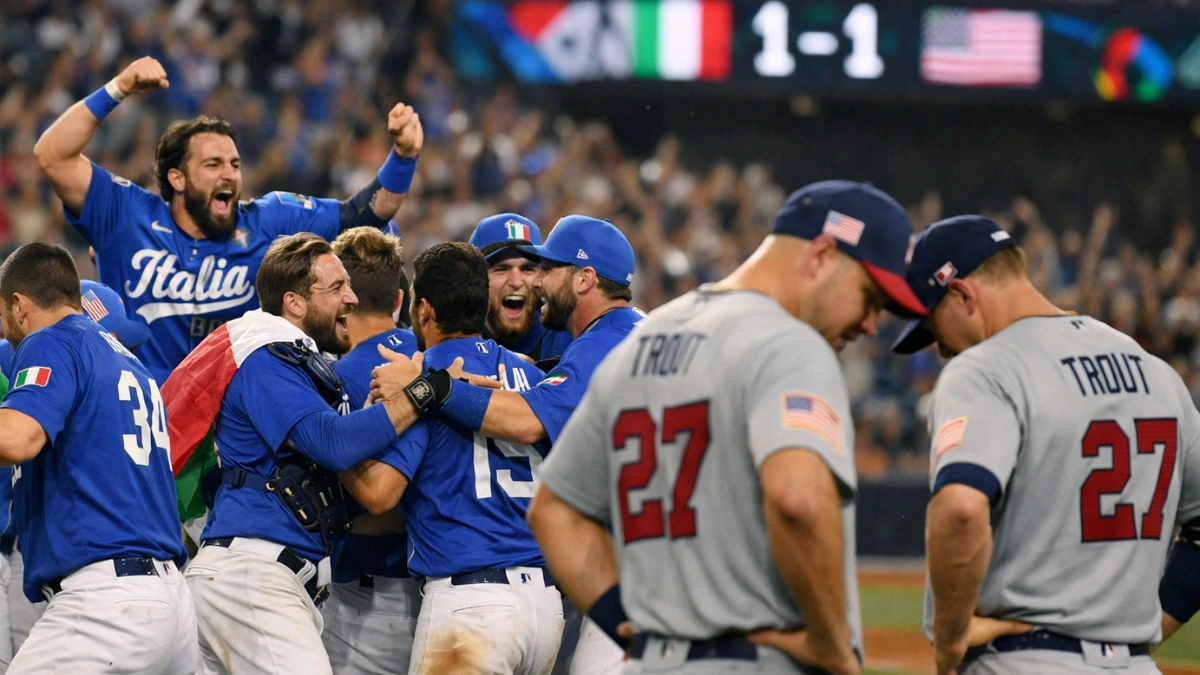
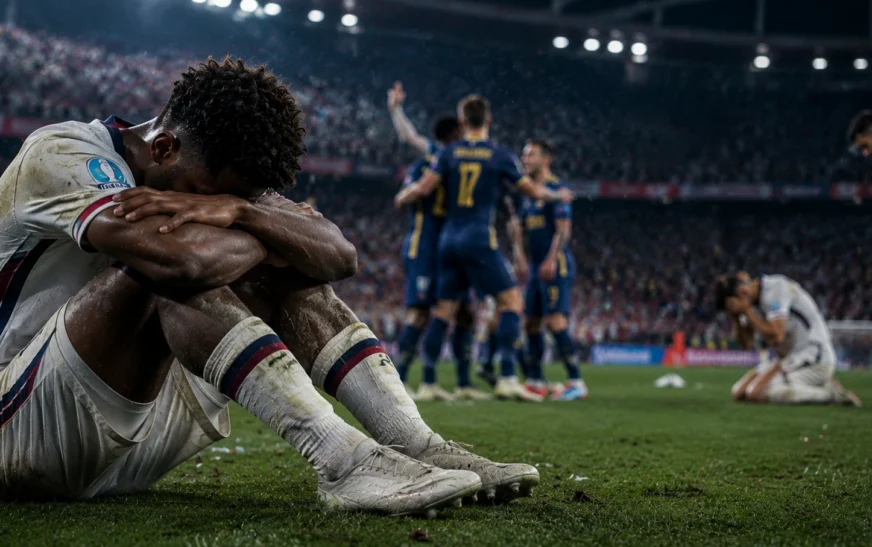
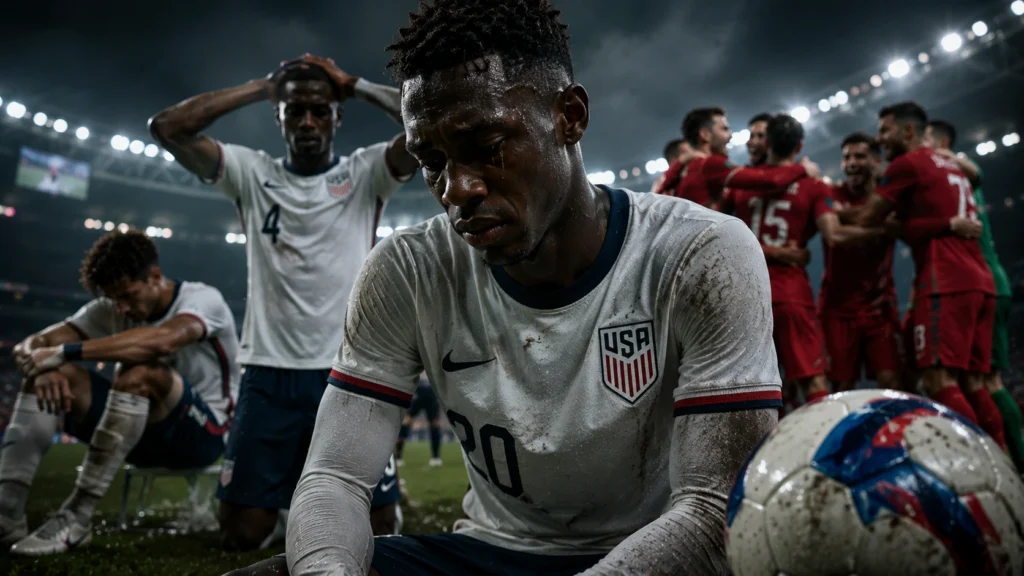
Picture a stadium going silent, thousands of fans frozen mid-cheer, players sinking to the turf while the opposition celebrates. Ever felt that gut-punch as a supporter? I certainly have. It’s brutal.
That emotional weight is exactly why we keep replaying these moments on loop. A worst loss in World Cup terms isn’t just about goals conceded. It’s about pride shattered and hearts broken in real time. And weirdly, that shared pain is part of what bonds football fans across the globe.
Key takeaway: Context, not just the scoreline, decides which defeats become unforgettable.
The Biggest World Cup Defeat Moments That Still Sting
Now for the drama we all secretly love to revisit. Certain matches earned their place in World Cup history because they went far beyond an off day.
Brazil against Germany, 2014. You knew I’d start there, right? On home soil, in a semi-final, the hosts collapsed 7-1. Germany bagged four goals in roughly six minutes. Six! Fans who arrived buzzing with hope left the stadium in tears, and that match remains the benchmark for a record World Cup loss whenever people rank the greatest shocks.
But Brazil’s nightmare has plenty of company. Consider these gut-wrenching results:
- Hungary 10-1 El Salvador (1982): Still the biggest goal margin in a single finals match. Ruthless doesn’t quite cover it.
- Yugoslavia 9-0 Zaire (1974): A painful lesson that early World Cup debuts could be severe.
- Germany’s group-stage exit (2018): No thumping scoreline here, yet the fall from champions to eliminated shocked everyone.
Notice a pattern? Each one qualifies as a biggest World Cup defeat not purely because of the goals, but because of who fell and how far. Expectation makes the drop hurt more.
Quick tip when you’re ranking these yourself: ask two questions. Who was supposed to win? And what did that result cost the loser? Answer both, and you’ll instantly understand why some scorelines haunt a nation while others get forgotten by the weekend.
When Momentum Snaps and the Floodgates Open
Here’s something that fascinates me about a World Cup heavy defeat. It rarely arrives slowly. It arrives all at once.
One mistake. One dropped head. Suddenly the confident team looks lost, and the goals start pouring in. Brazil’s 2014 collapse proves the point perfectly. The wheels didn’t wobble; they flew off completely within minutes.
That’s the terrifying beauty of the sport. No lead feels truly safe, and no reputation guarantees protection. Which brings us neatly to the guy who represents the opposite of all this gloom.
Where Does Folarin Balogun Fit Into This Story?
Good question, and the answer’s more interesting than you’d expect. Folarin Balogun sits on the hopeful side of the ledger, part of a new wave determined to write happier chapters instead of tragic ones.
Let me give you the quick backstory. Balogun sharpened his game inside Arsenal’s academy, then exploded on loan in France with a flood of goals and fearless movement. When it came time to pick a national team, several countries came knocking. He chose the United States. That call alone made headlines, because talented forwards like him don’t grow on trees.
For the USA, having Folarin Balogun changes the maths. National sides dream of a finisher who can flip a contest in a single moment. And when your nightmare scenario is becoming a trivia answer about the worst loss in World Cup competition, a clinical striker up top offers priceless reassurance.
Can One Striker Actually Prevent a Worst World Cup Loss?
Let’s be honest and realistic. Can a single player stop the worst World Cup loss from ever happening to his team? Well, yes and no.
He can’t defend, run midfield, and finish chances all at once. Football simply doesn’t work that way. But a confident scorer changes the emotional temperature of a match. One early goal settles jittery legs. A quick equalizer halts a collapse before it snowballs into something historic.
Remember how fast things unravelled for Brazil? Momentum runs the whole show. A striker who keeps his side in the game buys precious minutes and calms panicked teammates. So while Folarin Balogun won’t single-handedly guarantee safety, his energy genuinely helps a team dodge the spiral that ends in a record World Cup loss.
Young players carry another underrated weapon too: fearlessness. They haven’t lived through years of heartbreak, so they play with freedom rather than fear. Sometimes that mindset is the best shield a squad can own.
Key takeaway: A star finisher shifts momentum and belief, and belief keeps teams out of the record books.
Lessons Every Team Can Steal From Football’s Darkest Days
Enough doom. Let’s turn all this heartbreak into something useful, because every crushing result hides a coaching masterclass.
First up, discipline saves lives. Well, games. Most of the biggest World Cup defeat moments began with a single reckless error that cracked the door open. Stay compact, stay switched on, and you stay alive far longer.
Second, mentality decides everything after a goal goes in. Once heads drop, the second and third goals arrive far too easily. Strong leaders on the pitch drag their mates back into shape and reset the mood. That reset is often the difference between a wobble and a full-blown disaster.
Third, balance beats brilliance. A squad packed with attackers but weak at the back invites trouble. You need solid defenders, creative midfielders, and reliable strikers pulling together. Rely on one department alone, and that’s usually where a worst loss in World Cup history quietly begins.
Building a Squad That Stays Out of the History Books
Want to know how modern teams try to dodge catastrophe? They plan obsessively and invest in flexible talent.
Coaches now blend grizzled veterans with hungry youngsters. They study opponents in almost absurd detail. And they build genuine depth, so tired legs get swapped before fatigue triggers a collapse in the final twenty minutes.
This is precisely why developing players like Folarin Balogun matters so much. He hands a manager options, unpredictability, and a real goal threat off the bench or from the start. Pair that firepower with a disciplined defense, and you’ve built a proper defense against a World Cup heavy defeat.
My honest advice? Don’t judge a team purely by its glamorous names. Judge it by balance and by how it responds under pressure. The sides that stay composed after conceding are exactly the ones you rarely see making unwanted World Cup history for the wrong reasons.
Here’s a simple three-step check you can use while watching any tournament match:
- Shape: Does the team hold its structure when threatened?
- Spirit: How do players react the moment they concede?
- Substitutes: Does the bench offer real, game-changing quality?
Tick all three, and that side probably won’t feature in any horror-story highlight reel.
Final Whistle: Why the Worst World Cup Loss Still Grips Us
The worst World Cup loss stories will always pull us back, and I love that about football. They remind us the game is chaotic, emotional, and gloriously unpredictable. No team is untouchable. No lead is guaranteed. Every tournament can hand us a jaw-dropping surprise.
Yet players like Folarin Balogun keep the hope alive. Each new generation gets a clean slate, a fresh shot at glory rather than heartbreak. That balance between fear and possibility is the heartbeat of the whole competition.
So next time you settle in for a match, soak up every second. Feel the tension, roar at the goals, and appreciate how thin the line runs between triumph and collapse. Whether a team escapes a nightmare or slides into the record books, you’re watching living World Cup history unfold. And that, my friend, is why we never stop loving this game.
Frequently Asked Questions
By pure margin, Hungary’s 10-1 win over El Salvador in 1982 tops the list for a single finals match. Many fans, though, still point to Brazil’s 7-1 defeat to Germany in 2014 as the most shocking, given the stakes and the home crowd.
Balogun could’ve represented several nations, yet he committed to the United States. He saw a clear route into the side, an exciting young group of players, and a genuine chance to become a key attacking figure.
Not on his own, no. But a sharp finisher shifts momentum, calms nerves, and grabs vital goals. That influence often stops a match from spiraling into a bigger, uglier collapse.
They build balanced squads, defend with discipline, and develop match-winners who change games. Leadership and mental toughness matter enormously too, especially in those tense moments right after conceding.