

If you’re following the group j world cup 2026 race, you’ve come to the right place. This guide walks you through everything you need to know about one of the most exciting sections of the expanded tournament. From the teams involved to the fixtures and likely outcomes, you’ll find a clear picture of what to expect.
The 2026 edition marks a big change. For the first time, 48 teams will compete, split into 12 groups of four. That shift changes how each group plays out, and it gives more nations a real shot at the knockout rounds. Let’s break it all down so you can follow every match with confidence.
How the Group Stage Works in 2026
The new format reshapes the path to the final. Each group sends its top two teams straight through to the round of 32. On top of that, the eight best third-placed sides also advance, which keeps more teams alive deeper into the schedule.
This means a single point can decide a nation’s tournament. You’ll see teams push harder in their final group match, because even a draw might be enough to sneak through. For fans, that creates tension in almost every game.
The group j world cup section follows this same structure. Four teams, three matches each, and a fight for survival from the opening whistle. Understanding this setup helps you read the standings as they shift across the rounds.
Teams in the Group
A strong group needs a good mix of styles, and this one delivers. While the final draw confirms exact lineups, the seeding system gives you a clear idea of the type of teams to expect. You’ll usually find one top seed, a solid mid-tier nation, a rising side, and a debutant or underdog.
Here’s how the four spots typically break down:
The Top Seed
The first-pot team carries the most pressure. These nations bring experience, depth, and a track record of reaching the later rounds. They’re expected to top the table, but the new format means they can’t afford a slow start.
The Established Challenger
The second team often comes from a region with a strong football history. They have the talent to upset the favorites and the discipline to grind out results. Expect them to fight for one of the two automatic qualifying spots.
The Rising Nation
Pot three usually holds a team on the way up. They may lack big-tournament experience, but they play with energy and fresh ideas. These sides cause problems for opponents who underestimate them.
The Underdog
The fourth team enters as the outsider. Still, the expanded format gives them hope. A single win and a draw could be enough to chase a third-place qualifying spot, so they’ll play every minute like it matters.
This balance is what makes fifa group j worth watching. No team can coast, and every result reshapes the picture.
Match Fixtures to Watch
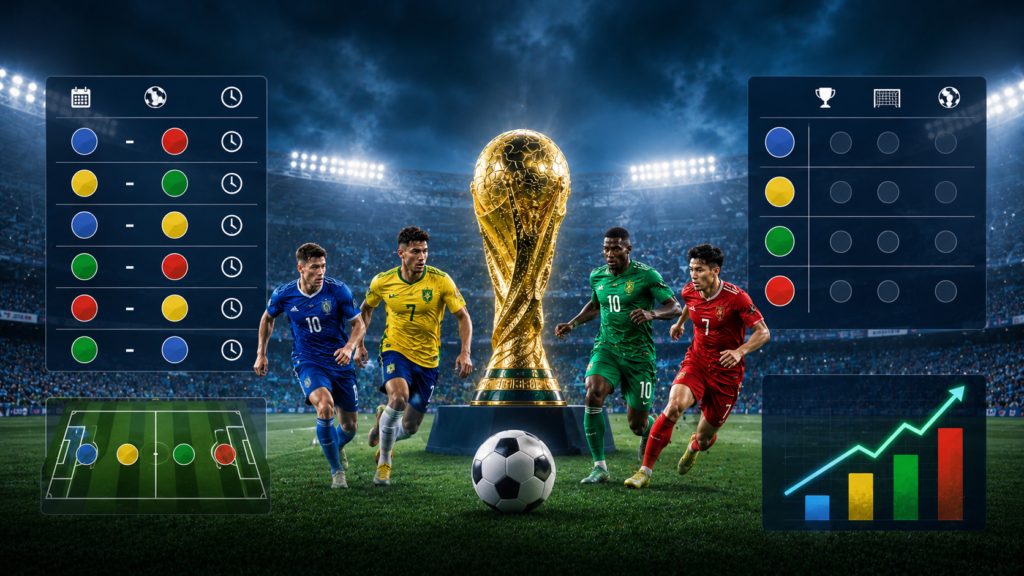
The fixtures follow a familiar rhythm across three matchdays. Each team plays the other three once, with games spread over roughly ten days. This gives players time to recover and lets the storylines build.
Here’s how a typical fixture schedule looks:
Matchday 1
- Team A vs Team D
- Team B vs Team C
Matchday 2 - Team C vs Team A
- Team D vs Team B
Matchday 3 - Team A vs Team B
- Team C vs Team D
The final round is the key one. Both Matchday 3 games kick off at the same time to keep things fair. That way, no team gains an edge by knowing other results before they play.
When you track the group j world cup 2026 fixtures, pay close attention to that last day. It often decides who goes through and who heads home. Tight groups can come down to goal difference, so even the scoreline in a “dead” match can matter.
Standings Predictions
Predicting a table is never an exact science, but you can make smart calls based on form and squad depth. The top seed usually takes first place, though not always. Upsets happen, and the pressure of expectation can weigh heavy.
Here’s a realistic forecast for how the standings might settle:
- Top seed – Likely to finish first with two wins and a draw. Their depth helps them rotate without losing quality.
- Established challenger – A strong bet for second. They should pick up enough points to advance.
- Rising nation – The dark horse for a third-place qualifying spot. One big result could change everything.
- Underdog – Faces the toughest road, but a surprise win keeps their hopes alive.
Remember, the third-place rule changes the math. A team finishing third with four points has a genuine chance to move on. So even a side that misses the top two should never give up.
Team Analysis: Strengths and Weaknesses
Looking past the table, each team brings clear traits to the pitch. Knowing these helps you understand why matches play out the way they do.
Attacking Threats
The top seeds usually carry the most firepower. They have forwards who finish chances and midfielders who create them. When their attack clicks, they overwhelm weaker defenses early.
The rising nation often relies on pace and pressing. They may not control possession, but they punish mistakes. That style can trouble slower, more cautious opponents.
Defensive Stability
The established challenger tends to defend well. They sit compact, stay organized, and frustrate stronger sides. This discipline often earns them the points they need to advance.
Underdogs sometimes struggle here. Gaps appear when they push for goals, and quality opponents take advantage. Still, a well-drilled back line can keep them in any game.
Key Players
Every team leans on a few standout names. A reliable goalkeeper, a creative playmaker, and a clinical striker often decide tight matches. When you watch, keep an eye on these players, because their form usually shapes the outcome.
The depth of talent across fifa group j means no single star can carry a team alone. Squads that share the load tend to go further.
Tournament Outlook
So what does the road ahead look like? The two teams that qualify automatically set themselves up well for the knockout stage. They earn a slightly easier matchup in the round of 32 and carry momentum into it.
The third-placed team faces a tougher draw if they advance. They often meet a group winner from another section, which raises the difficulty. Even so, reaching that stage is an achievement, and anything can happen in a single knockout match.
For the top seed, the goal is simple: win the group and avoid early heavyweight clashes. For everyone else, the target is survival first, then a deep run if the draw is kind.
How to Follow Along
Staying on top of the action is easier than ever. Match schedules, live tables, and team news are widely available, so you can track progress in real time. Set reminders for the key fixtures, especially the final matchday, when the j group standings often flip in dramatic fashion.
Here are a few tips to get the most from your viewing:
- Check the table after each round. Standings shift fast, and small details like goal difference can matter.
- Watch the underdogs. Surprise results define every tournament, and the new format rewards bold play.
- Note the kickoff times. The simultaneous final games create some of the most thrilling moments in football.
When you follow these steps, you’ll understand each result the moment it happens. That turns you from a casual viewer into a sharp, informed fan.
Final Thoughts
The group j world cup story is one of balance, tension, and opportunity. Every team has a path forward, and every match carries weight. The expanded format only adds to the drama, keeping more nations in the hunt for longer.
As the j group takes shape, you now have the tools to read it clearly. You know how the format works, which teams to watch, how the fixtures unfold, and what the standings might look like. Keep this guide close, follow the matches, and enjoy one of the most open and exciting sections of the tournament. When the action begins, you’ll be ready to follow every twist with confidence.
FAQs
Group J includes four national teams drawn from different seeding pots. The official teams are confirmed after the FIFA World Cup 2026 final draw.
The top two teams qualify automatically for the Round of 32. In addition, the best eight third-placed teams across all 12 groups also advance.
Each team plays three group-stage matches, facing every other team in the group once.
Group J matches are played over three matchdays during the opening phase of the FIFA World Cup 2026. The exact dates depend on the official tournament schedule.












Leave a comment