

1. Introduction: What Makes FIFA World Cup 2026 Unique?
The FIFA World Cup 2026 stands out as one of the most ambitious editions in the tournament’s history, bringing major changes that will reshape how the event is experienced. For the first time, the competition will feature 48 teams, allowing more nations to participate and increasing the total number of matches to 104. It will also be hosted across three countries—Canada, Mexico, and United States—making it the largest and most geographically diverse World Cup ever organized. With expanded opportunities for teams, more venues, and a longer tournament schedule, the 2026 edition is designed to deliver greater excitement, wider global reach, and a truly unforgettable football experience for fans around the world.
2. FIFA World Cup 2026 at a Glance
The FIFA World Cup 2026 is set to be the biggest edition of the tournament ever held, both in size and global reach. It will feature 48 national teams, expanded from 32, competing in a total of 104 matches across multiple cities. The tournament will take place from June 11 to July 19, 2026, giving fans more than a month of continuous international football action.
This edition will be jointly hosted by Canada, Mexico, and United States, marking the first time three nations have shared hosting duties. Matches will be played across a wide range of world-class stadiums, offering diverse atmospheres and fan experiences in different regions.
With a new format, more teams, and a broader hosting structure, the 2026 World Cup is designed to be more inclusive and globally engaging than any previous tournament, making it a landmark moment in football history.
3. Tournament Dates and Overall Schedule
The FIFA World Cup 2026 will run from June 11 to July 19, 2026, offering over five weeks of nonstop international football action. The tournament will begin with the group stage, where all 48 teams are divided into groups and compete for a place in the knockout rounds.
After the group matches, the competition will move into the Round of 32, followed by the Round of 16, quarter-finals, semi-finals, and finally the World Cup Final. This extended structure is part of the new format introduced for 2026, allowing more matches and giving more teams a chance to progress deeper into the tournament.
The opening match is expected to kick off in Mexico City, while the final will be played at MetLife Stadium in the United States. Throughout the tournament, matches will be scheduled almost daily across different host cities in Canada, Mexico, and the United States, ensuring continuous excitement for fans worldwide.
4. Host Countries and Why They Were Chosen
The FIFA World Cup 2026 will be jointly hosted by Canada, Mexico, and United States, marking the first time in history that three nations have come together to stage the tournament. This decision reflects FIFA’s goal of expanding the World Cup while ensuring strong infrastructure, global accessibility, and a high-quality fan experience.
These three countries were chosen mainly because of their existing stadium infrastructure, financial strength, and ability to host large-scale international events. The United States offers a wide range of modern, high-capacity stadiums and strong transport networks. Mexico brings deep football tradition and passionate fan culture, having already hosted the World Cup twice. Canada adds a growing football market and world-class cities capable of supporting major sporting events.
Together, the three host nations also provide excellent geographical coverage across North America, making travel between cities easier and allowing fans from different regions to attend matches. This unique collaboration is expected to deliver one of the most well-organized and globally accessible World Cups in history.
5. Complete List of Host Cities
The FIFA World Cup 2026 will take place across 16 host cities spread between Canada, Mexico, and the United States, making it one of the most geographically widespread tournaments in history.
In the United States, matches will be hosted in major cities such as New York City, Los Angeles, Dallas, Miami, Atlanta, Seattle, Houston, Boston, Philadelphia, and San Francisco.
Canada will host matches in Toronto and Vancouver, both offering modern stadiums and strong fan support. Mexico will feature games in Mexico City, Guadalajara, and Monterrey, continuing its proud football legacy.
With such a diverse set of host cities, fans will experience different cultures, climates, and stadium atmospheres, making the 2026 World Cup a truly unique global event.
6. Stadiums That Will Host World Cup Matches
The FIFA World Cup 2026 will be played across some of the most modern and iconic stadiums in world football, spread throughout Canada, Mexico, and the United States. These venues have been selected for their large capacities, advanced facilities, and ability to host major international events.
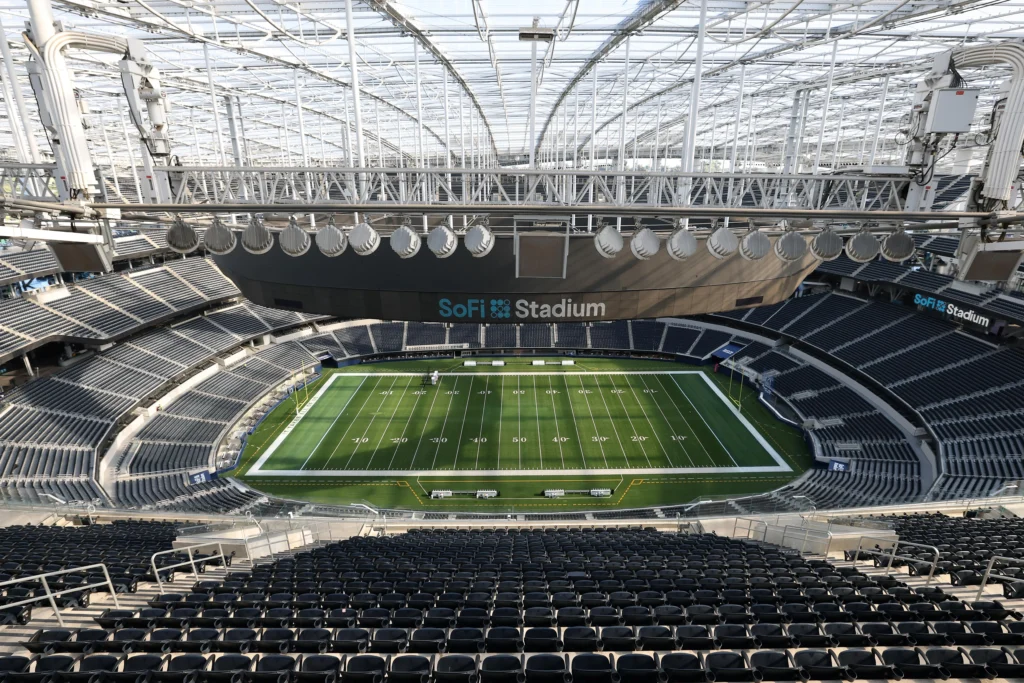
In the United States, standout venues include MetLife Stadium, which is expected to host the final, along with other major stadiums such as SoFi Stadium and several NFL arenas adapted for football matches.
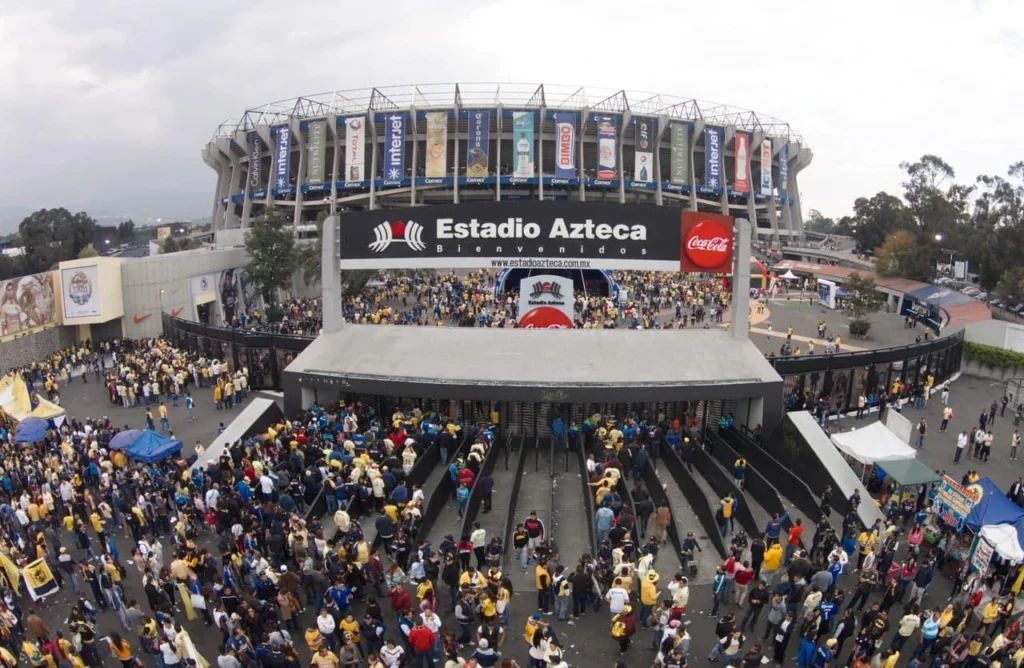
Mexico will feature the historic Estadio Azteca, one of the most famous football stadiums in the world and a venue with deep World Cup history. It is joined by modern grounds in Guadalajara and Monterrey, which continue Mexico’s strong football tradition.
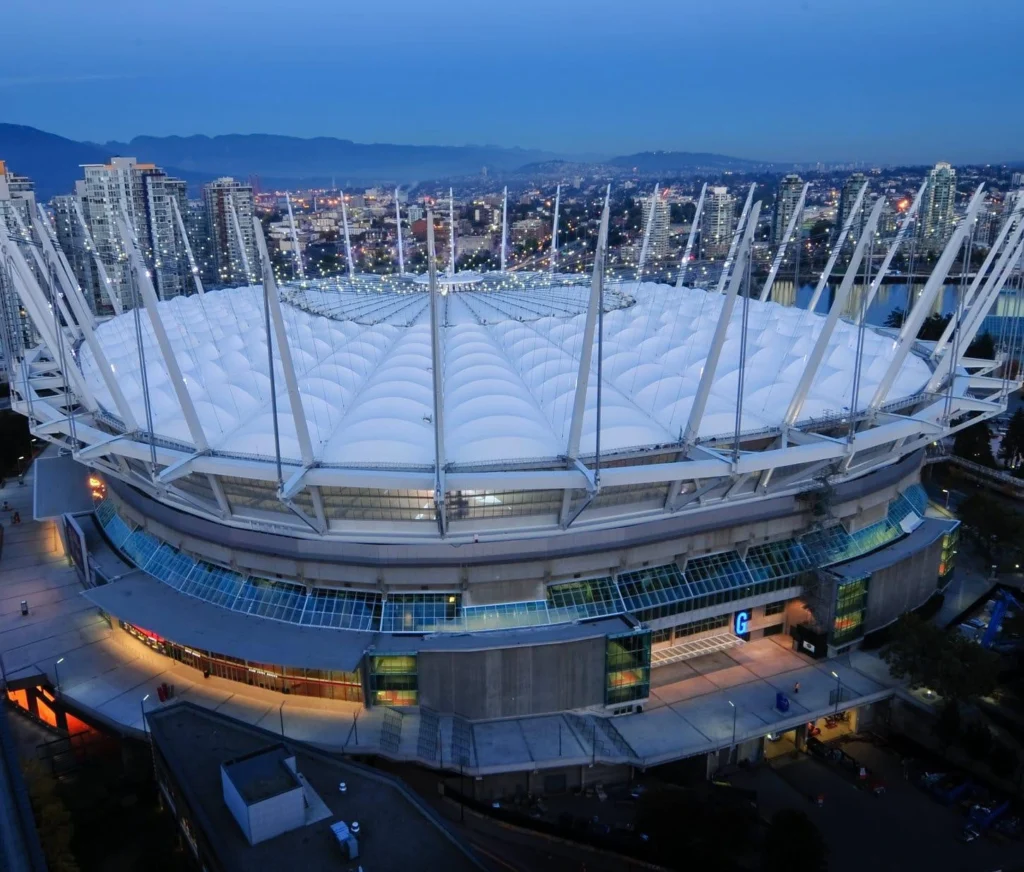
Canada’s matches will be played at venues such as BC Place and BMO Field, both offering excellent facilities and strong fan atmospheres.
Together, these stadiums combine modern design with historic football heritage, creating the perfect stage for one of the biggest sporting events ever held.
7. Opening Match and Final Venue Details
The FIFA World Cup 2026 will begin with a highly anticipated opening match in Mexico City, a city known for its deep football culture and passionate supporters. The opening game is expected to set the tone for the tournament, officially launching more than a month of global football action across North America.
The final, which will determine the world champion, is scheduled to take place at MetLife Stadium in the United States. This modern stadium is one of the largest venues in the tournament and is well-equipped to host one of the most important matches in football history, with a massive crowd expected on the day.
As part of the joint hosting arrangement across Canada, Mexico, and United States, fans will experience a unique journey from the opening whistle to the final match, with each stage of the tournament spread across iconic cities and stadiums.
8. Group Stage and Knockout Format Explained
The FIFA World Cup 2026 will feature a new and expanded structure designed to include more teams and create a longer, more competitive tournament. A total of 48 national teams will participate, divided into 12 groups of four teams each.
During the group stage, each team will play three matches against the other teams in their group. Teams earn points through wins and draws, and the best-performing sides move forward based on their group rankings. The top two teams from each group, along with the eight best third-placed teams, will qualify for the knockout phase.
Once the group stage is completed, the tournament shifts into a new Round of 32, followed by the Round of 16, quarter-finals, semi-finals, and the final. From this stage onward, matches are single elimination—meaning one loss results in elimination from the competition.
This updated format increases the total number of matches and gives more nations a chance to progress deeper into the tournament, making the 2026 edition more competitive, unpredictable, and exciting for fans around the world.
9. How to Buy FIFA World Cup 2026 Tickets
Buying tickets for the FIFA World Cup 2026 is done exclusively through official channels managed by FIFA. Fans cannot rely on a single sale date, as tickets are released in multiple phases over time, depending on demand and availability.
The process usually begins by creating a FIFA ticketing account and registering for the official ticket draw. According to FIFA’s sales system, earlier phases include the Visa Presale Draw and Random Selection Draw, while later phases offer first-come, first-served sales for remaining tickets. If selected, fans are given a time window to purchase tickets for specific matches.
Once general sales open, tickets for all matches are made available through FIFA’s official portal, with prices and availability varying by match, stage, and seating category. Some fans may also choose hospitality packages, which include premium seating, travel services, and added experiences.
It is strongly recommended to avoid unofficial websites or third-party sellers, as many fraudulent platforms appear during high-demand events. The safest way to secure a seat is to stick to FIFA’s official ticketing platform and follow updates on sales windows regularly.
10. Ticket Categories, Prices, and Sales Phases
The FIFA World Cup 2026 tickets will be released in structured phases, allowing fans from around the world multiple chances to secure seats. Sales will be managed through FIFA’s official ticketing platform, with different stages such as lottery-based draws, first-come-first-served sales, and final last-minute releases closer to the tournament.
Tickets are generally divided into different categories based on seating location and view quality. Category 1 offers the best views near the pitch, while Category 2 and 3 provide more affordable options in different sections of the stadium. Some matches may also include special accessibility seating and family-friendly zones to accommodate a wider range of fans.
Prices for the FIFA World Cup 2026 have not been fully confirmed yet, but they are expected to vary depending on the match stage. Group stage games are typically more affordable, while knockout matches—especially the semi-finals and final—are priced at a premium due to higher demand.
Sales will take place in multiple phases, including early registration draws, general public sales, and a final resale or last-minute ticket phase. Fans are encouraged to register early, follow official announcements, and avoid unauthorized sellers to ensure safe and valid ticket purchases for the tournament.
11. Hospitality Packages and VIP Experiences
The FIFA World Cup 2026 will offer premium hospitality options for fans who want a more exclusive and comfortable matchday experience. These packages, managed through FIFA’s official hospitality partners, are designed to combine world-class football with luxury services inside and outside the stadium.
Hospitality packages typically include premium seating with the best views, access to private lounges, gourmet food and beverages, and dedicated concierge services. Some packages may also offer additional benefits such as early stadium entry, parking access, and exclusive entertainment areas before and after matches.
For high-demand games like the semi-finals and final, VIP experiences are expected to include enhanced comfort, priority services, and curated matchday experiences tailored for corporate guests, tourists, and football enthusiasts who want a premium level of access.
These options are usually more expensive than standard tickets, but they provide a complete experience that goes beyond just watching the match. Fans interested in hospitality packages are encouraged to book early through official FIFA channels, as availability is limited and demand is expected to be very high.
12. Travel Tips for International Fans
Traveling for the FIFA World Cup 2026 will be a major journey for many supporters, as matches will be spread across Canada, Mexico, and the United States. Careful planning can make the experience smoother and help fans enjoy both the football and the trip itself.
Before traveling, fans should check passport validity and visa requirements for each host country. Depending on nationality, entry rules may differ, especially if you plan to move between all three nations during the tournament. Booking flights and accommodation early is strongly recommended, as prices are expected to rise quickly near match dates.
It is also helpful to plan travel routes between host cities in advance. Since venues are spread across North America, fans may need to combine flights, trains, or long-distance road travel to follow their teams. Staying in central locations or near public transport can save time and reduce travel stress on matchdays.
Finally, fans should prepare for different climates and time zones across cities. Packing comfortable clothing, staying updated with local transport apps, and keeping a flexible schedule will help make the World Cup journey more enjoyable and less stressful.
13. Transportation Between Host Cities
The FIFA World Cup 2026 will span a large geographic area across Canada, Mexico, and the United States, so moving between host cities will be an important part of the fan experience. With matches spread across long distances, travelers will need to plan their journeys carefully to avoid delays and last-minute stress.
Most international fans are expected to rely on air travel as the primary mode of transport between major host cities. The United States in particular has a strong domestic flight network, making it easier to connect cities like New York, Los Angeles, Dallas, and Miami. Canada and Mexico also offer well-connected airports for regional travel.
In addition to flights, fans can use high-speed trains, intercity buses, and car rentals depending on the region and distance. Some cities, especially in the U.S., are well connected by road networks, making road trips a practical option for groups of supporters traveling together.
Within each host city, public transportation will play a key role. Metro systems, buses, and ride-sharing services are expected to be heavily used on matchdays to reduce traffic congestion near stadiums. Planning routes in advance and allowing extra travel time will be essential for fans moving between venues during the tournament.
14. Accommodation and Budget Planning
Finding the right place to stay will be an important part of planning for the FIFA World Cup 2026, especially as fans travel across Canada, Mexico, and the United States. Since demand is expected to be extremely high, booking accommodation early will help secure better prices and locations.
Fans will find a wide range of options, from budget-friendly hotels and hostels to luxury stays and short-term rental apartments. Staying close to stadiums or well-connected transport hubs can save time and make matchdays more convenient, especially in busy cities.
Budget planning is also important, as costs will vary depending on the city, match stage, and travel season. Major cities like New York, Los Angeles, and Mexico City are likely to have higher accommodation prices during the tournament. Planning a daily budget for food, transport, and tickets can help avoid unexpected expenses.
To manage costs effectively, many fans choose to share accommodation with friends or book stays slightly outside city centers where prices are lower. Early planning and flexibility will be key to enjoying the World Cup experience without overspending.
15. Matchday Tips for Stadium Visitors
Attending a FIFA World Cup 2026 match will be an exciting experience, but a little preparation can make the day much smoother. With games taking place across Canada, Mexico, and the United States, fans should plan ahead for travel time, security checks, and stadium entry procedures.
Arriving early is strongly recommended, as stadium security checks and crowd movement can take time, especially for high-profile matches. Fans should carry only essential items and follow stadium rules regarding bags, prohibited items, and digital or printed ticket requirements.
Wearing comfortable clothing and checking the weather forecast in advance is also important, as conditions can vary between host cities. Many fans prefer to wear their national team jerseys or colors to add to the matchday atmosphere and show support.
Inside the stadium, it’s best to locate seating areas, food zones, and exits soon after arrival to avoid confusion later. Staying hydrated, especially during warmer daytime matches, will help ensure a more enjoyable experience throughout the game.
Finally, fans should stay alert for official announcements and respect stadium guidelines to ensure a safe and enjoyable environment for everyone. With the right preparation, matchday at the World Cup can become an unforgettable memory.
16. Where to Watch if You Can’t Attend in Person
If you’re not able to attend matches of the FIFA World Cup 2026 in person, there will still be plenty of ways to follow every moment of the action from home or on the move. The tournament will be broadcast globally through official TV networks and digital platforms licensed by FIFA.
Most countries will have dedicated sports broadcasters showing live matches, along with pre-match coverage, halftime analysis, and post-match highlights. Depending on your region, games may be available on free-to-air channels, cable sports networks, or paid streaming services.
Online streaming will also play a major role in the 2026 tournament. Fans can expect mobile apps and official platforms to provide live streaming, match replays, highlights, and real-time statistics. This makes it easier to follow the World Cup on smartphones, tablets, or laptops, even while traveling or working.
For fans in different time zones across Canada, Mexico, and the United States, replays and highlight packages will be especially useful for catching up on missed matches. With so many viewing options available, no fan will miss the excitement of the FIFA World Cup 2026.
17. Frequently Asked Questions About Tickets, Venues, and the Schedule
The tournament will run from June 11 to July 19, 2026, featuring over a month of international football across North America.
Games will be hosted across Canada, Mexico, and the United States, in multiple major cities and stadiums.
A total of 48 national teams will compete in the tournament, making it the largest World Cup in history.
Tickets will be sold through official channels managed by FIFA in different sales phases, including draws and general sales. Fans should only use official platforms to avoid scams.
Tickets are usually divided into categories based on seat location, with higher categories offering closer pitch views and lower categories providing more affordable options.
Yes, FIFA will release the complete fixture list, including match dates, kickoff times, and venues, well before the tournament begins.
Matches will take place in selected cities across Canada, Mexico, and the United States, with each country hosting a number of group-stage and knockout games.
Yes, but fans should carefully plan travel between cities in advance, as distances in North America can be significant.
Ticket policies will be defined by FIFA closer to the sales period, but most official tickets usually have strict terms, so fans should review conditions before purchasing.
18. Final Thoughts: Planning the Ultimate FIFA World Cup 2026 Experience
The FIFA World Cup 2026 is shaping up to be more than just a football tournament—it’s a global event that blends sport, travel, and culture on an unprecedented scale. With matches spread across Canada, Mexico, and the United States, fans will have the chance to experience different cities, stadiums, and atmospheres all in one competition.
Careful planning will be the key to making the most of the tournament. From securing tickets early through FIFA to booking accommodation and mapping out travel between host cities, every detail can help shape a smooth and enjoyable experience. Since demand is expected to be extremely high, early decisions will make a big difference in both cost and convenience.
Beyond the matches themselves, the World Cup offers a rare opportunity to explore new destinations, meet fans from around the world, and be part of football history. Whether attending a single match or following the entire tournament across multiple cities, the 2026 edition promises unforgettable moments from start to finish.