
1. Introduction to the FIFA World Cup 2026
The FIFA World Cup 2026 is set to be one of the most anticipated sporting events in history, bringing together the world’s best national football teams for a month of unforgettable competition. For the first time, the tournament will feature 48 teams instead of 32, creating more matches, more opportunities for emerging nations, and an even bigger global audience. Co-hosted by Canada, Mexico, and the United States, the 2026 edition promises world-class stadiums, passionate fans, and an exciting atmosphere across North America. Whether you’re following your favorite team, planning to attend matches in person, or simply enjoying the action from home, this guide covers everything you need to know before kickoff.
2. When and Where Will the FIFA World Cup 2026 Take Place?
The FIFA World Cup 2026 is scheduled to take place from June 11 to July 19, 2026, making it one of the longest editions of the tournament to date. For the first time in World Cup history, the event will be jointly hosted by three countries: Canada, Mexico, and the United States. Matches will be played across multiple cities and modern stadiums throughout North America, giving fans the chance to experience the tournament in a variety of unique destinations.
The opening match is set to be held in Mexico City, while the final is scheduled to take place at MetLife Stadium in the United States. With games spread across dozens of venues in the three host nations, the 2026 World Cup is expected to become the largest and most geographically expansive tournament ever organized by FIFA.
3. Which Countries Are Hosting the Tournament?
The FIFA World Cup 2026 will be hosted by three nations: Canada, Mexico, and the United States. This marks the first time in the tournament’s history that three countries have jointly organized the event, reflecting FIFA’s goal of expanding the competition and reaching more fans around the world.
Each host nation will stage matches in selected cities and stadiums. The United States will host the majority of the games, including the final, while Canada and Mexico will each welcome teams and supporters for group-stage and knockout matches. Mexico also makes history by becoming the first country to host FIFA World Cup matches in three different editions, having previously hosted the tournament in 1970 and 1986.
By sharing hosting duties across North America, the 2026 World Cup is expected to showcase a wide range of cultures, iconic venues, and passionate football communities, making it one of the most memorable editions of the tournament.
4. How Does the New 48-Team Format Work?
The FIFA World Cup 2026 introduces a major change by expanding the tournament from 32 teams to 48 teams, allowing more nations to compete on football’s biggest stage. Instead of the previous format, the 48 qualified teams will be divided into 12 groups of four teams each.
During the group stage, every team will play three matches against the other teams in its group. The top two teams from each group, along with the eight best third-placed teams, will advance to the knockout stage. This creates a round of 32 before progressing to the round of 16, quarter-finals, semi-finals, and the final.
The expanded structure increases the total number of matches from 64 to 104, giving fans more opportunities to watch top-level international football and offering emerging nations a better chance to compete against the world’s elite. While the tournament will last longer than previous editions, the new format is designed to maintain competitive balance while making the World Cup more inclusive and globally representative.
5. Qualified Teams and Remaining Qualification Spots
As the FIFA World Cup 2026 approaches, teams from every continent have been competing through their regional qualification campaigns for a place in the tournament. Thanks to the expanded 48-team format, more nations than ever before have the opportunity to reach football’s biggest stage.
The three host countries—Canada, Mexico, and the United States—qualified automatically and did not need to compete in the regular qualification process.
The remaining places are allocated across FIFA’s six continental confederations, including Europe, South America, Asia, Africa, North and Central America, and Oceania. Qualification is based on regional tournaments and league-style competitions, with some spots also decided through intercontinental playoffs.
By the time the tournament begins, all 48 participating nations will have secured their places through either automatic qualification as hosts or by earning their spot on the field. The expanded format is expected to bring fresh faces to the World Cup while maintaining fierce competition among traditional football powerhouses.
6. Host Cities and Iconic Stadiums
The FIFA World Cup 2026 will be played across 16 host cities in Canada, Mexico, and the United States, showcasing some of North America’s most impressive football and multi-purpose venues.
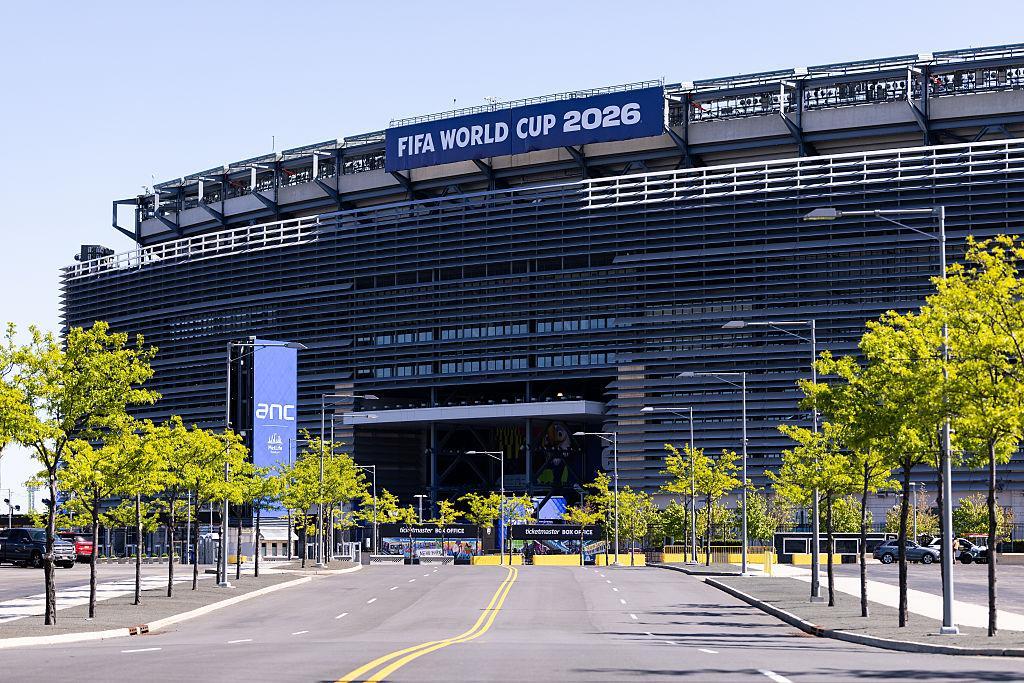
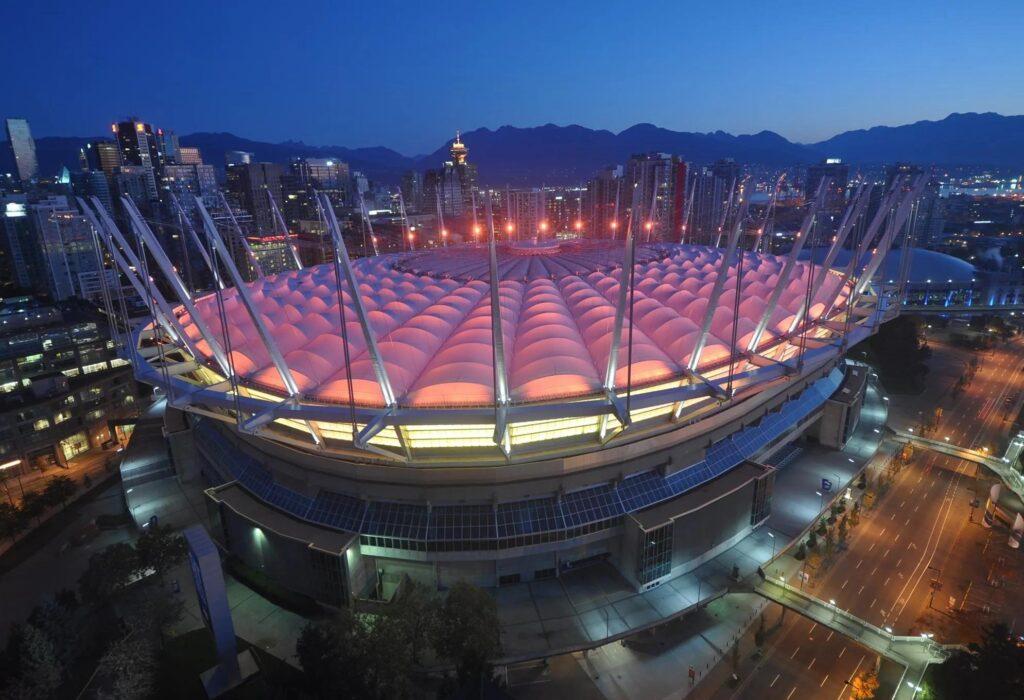
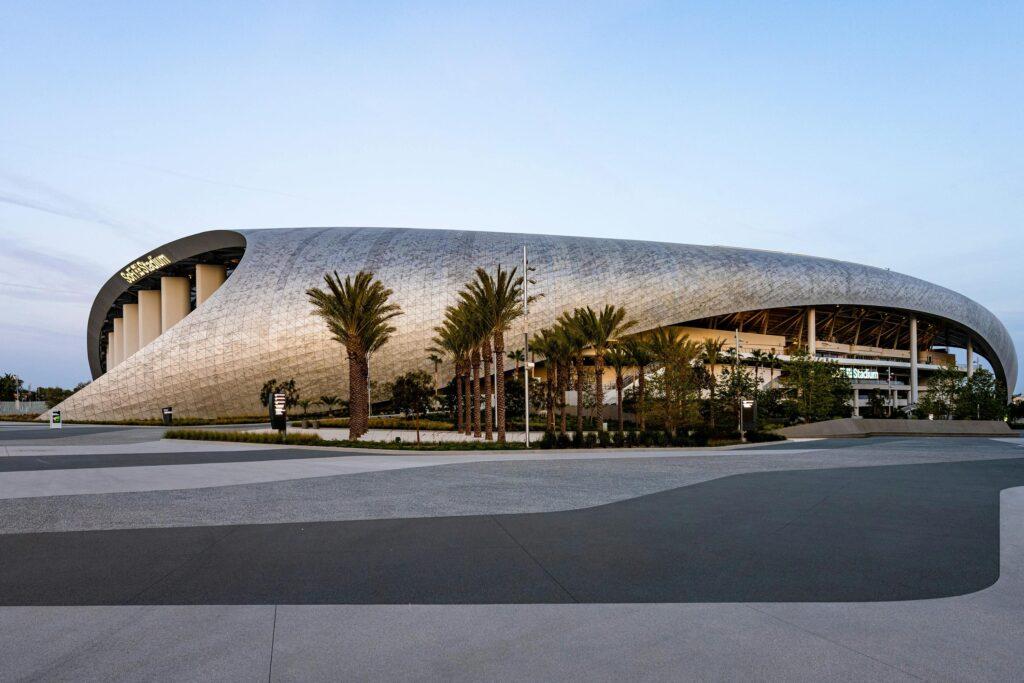
The United States will host matches in cities including New York City, Los Angeles, Dallas, Miami, Atlanta, and Seattle, among others. Canada’s matches will be held in Toronto and Vancouver, while Mexico’s host cities include Mexico City, Guadalajara, and Monterrey.
Among the standout venues are MetLife Stadium, which is scheduled to host the final, the historic Estadio Azteca, famous for staging previous World Cup finals, and BC Place, one of Canada’s premier sporting venues.
With modern facilities, large capacities, and enthusiastic local fan bases, these host cities and stadiums are expected to provide an unforgettable backdrop for one of the biggest sporting events in the world.
7. Match Schedule and Tournament Timeline
The FIFA World Cup 2026 is scheduled to run from June 11 to July 19, 2026, giving fans more than a month of world-class football. With the tournament expanding to 48 teams and 104 matches, the schedule will be larger than any previous FIFA World Cup, featuring games across multiple host cities in North America.
The competition will begin with the group stage, where teams compete in 12 groups of four. Each nation will play three matches, with the top two teams from each group and the eight best third-placed teams advancing to the knockout rounds. The tournament will then move through the Round of 32, Round of 16, quarter-finals, semi-finals, and finally the championship match.
The opening game is set to take place in Mexico City, while the final will be played at MetLife Stadium. Fans can expect matches almost every day throughout the tournament, making the 2026 edition one of the busiest and most exciting World Cups ever held.
As the event approaches, FIFA will publish the complete fixture list with kickoff times and venue details, allowing supporters around the world to plan their viewing or travel arrangements well in advance.
8. Top National Teams Expected to Compete for the Trophy
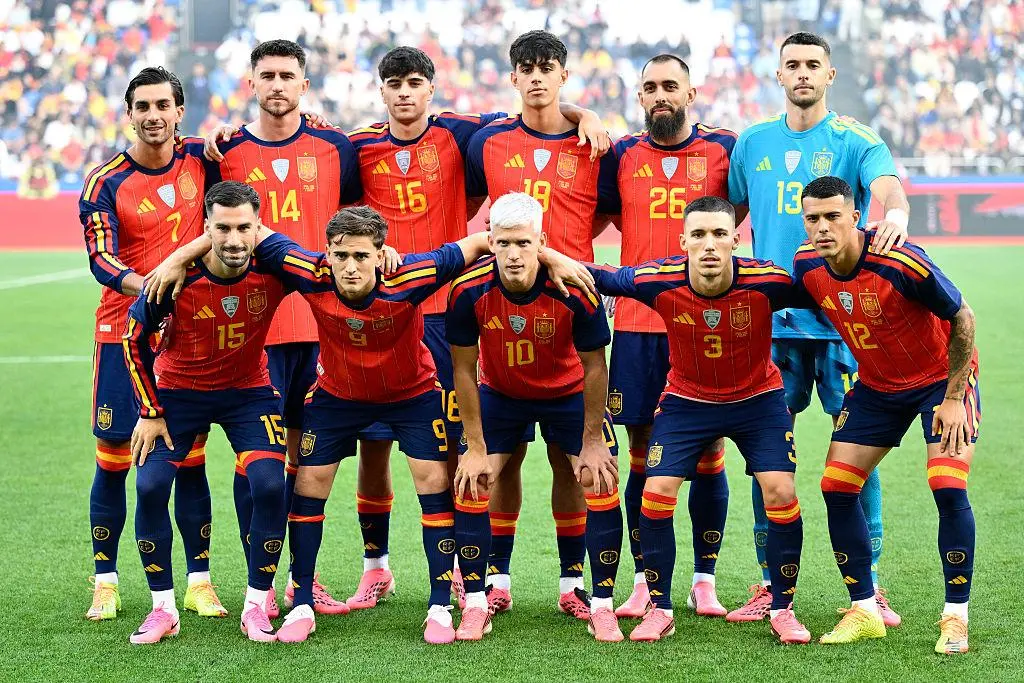
The FIFA World Cup 2026 is expected to feature many of the strongest national teams in world football, with several traditional powerhouses entering the tournament as leading contenders for the title. While surprises are always part of the World Cup, a handful of countries consistently rank among the favorites due to their talent, experience, and recent performances.


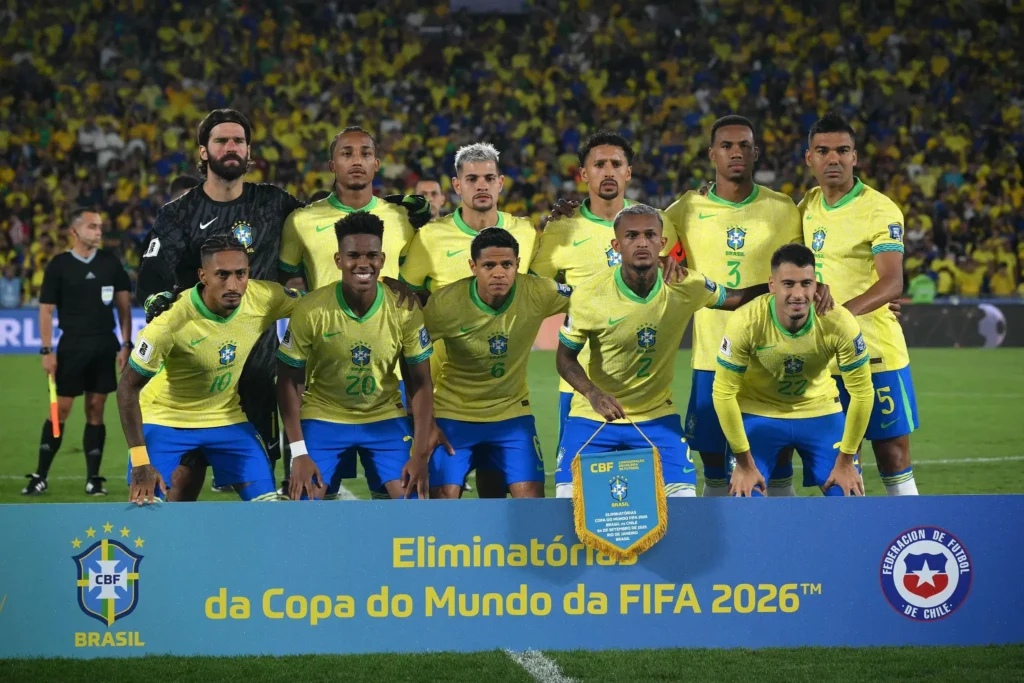
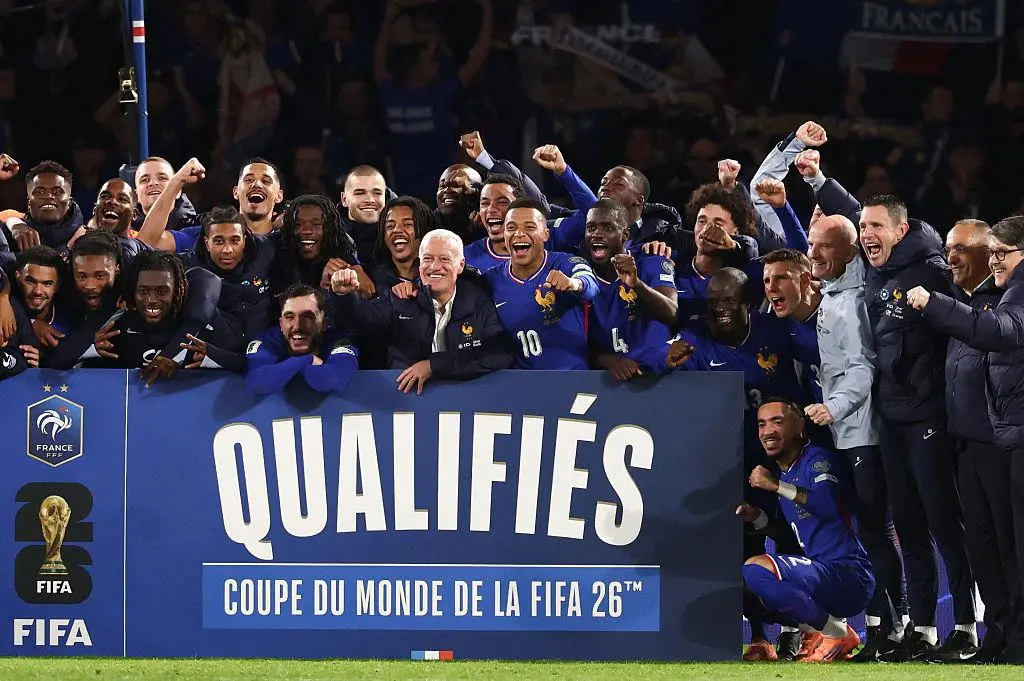
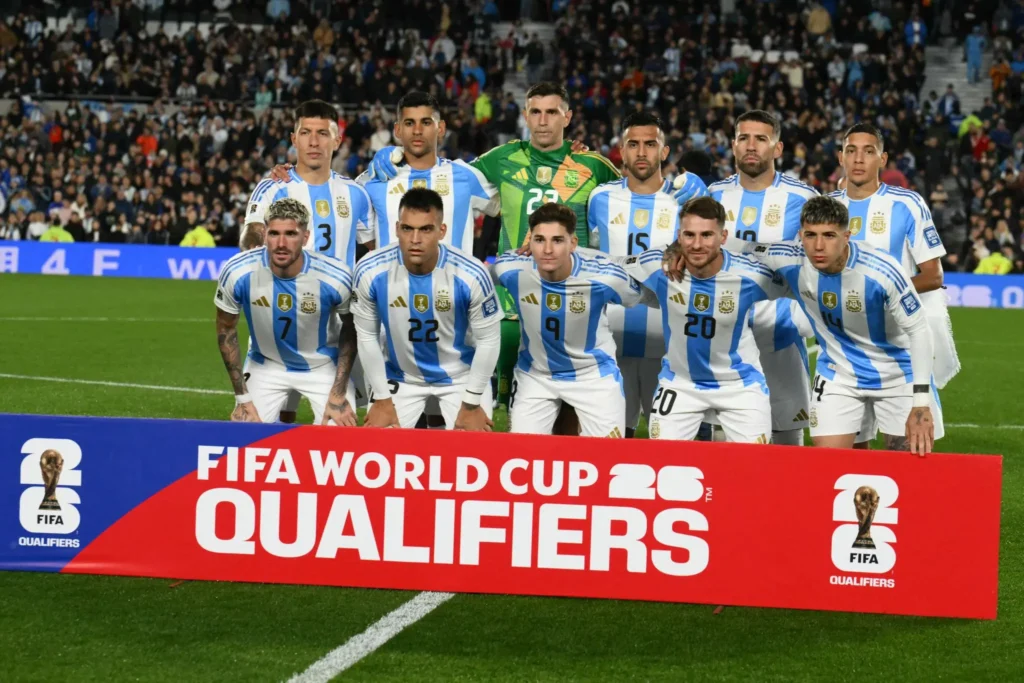
Defending champions Argentina national football team are expected to be one of the teams to beat after their recent international success. France national football team remains a perennial favorite thanks to its depth of talent and consistent performances on the global stage, while Brazil national football team will once again aim to add another World Cup trophy to its rich history.
European giants such as Spain national football team, England national football team, and Germany national football team are also widely expected to challenge for the championship. Their combination of experienced players and emerging stars makes them dangerous opponents in knockout football.
Outside the traditional favorites, teams such as Portugal national football team, Netherlands national football team, and Belgium national football team could make deep runs if they perform at their best. As always, the expanded format may also give rising football nations an opportunity to produce memorable upsets and establish themselves on the world stage.
9. Star Players to Watch During the Competition
The FIFA World Cup 2026 is expected to showcase some of the biggest names in international football alongside a new generation of rising stars. Fans around the world will be eager to see established superstars lead their countries while young talents aim to make their mark on the sport’s biggest stage.
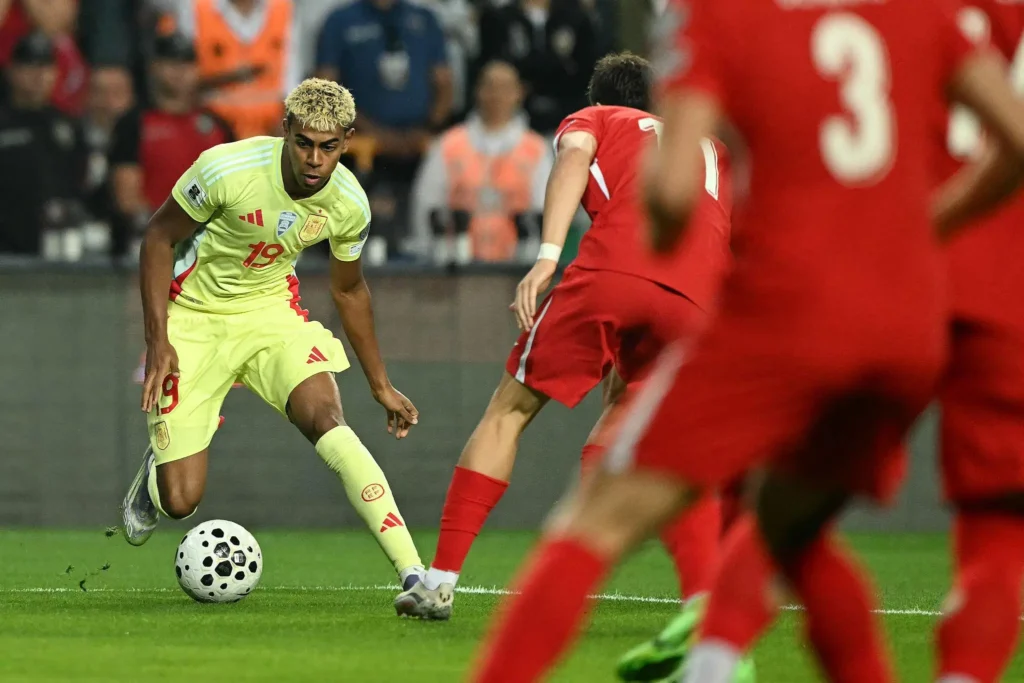
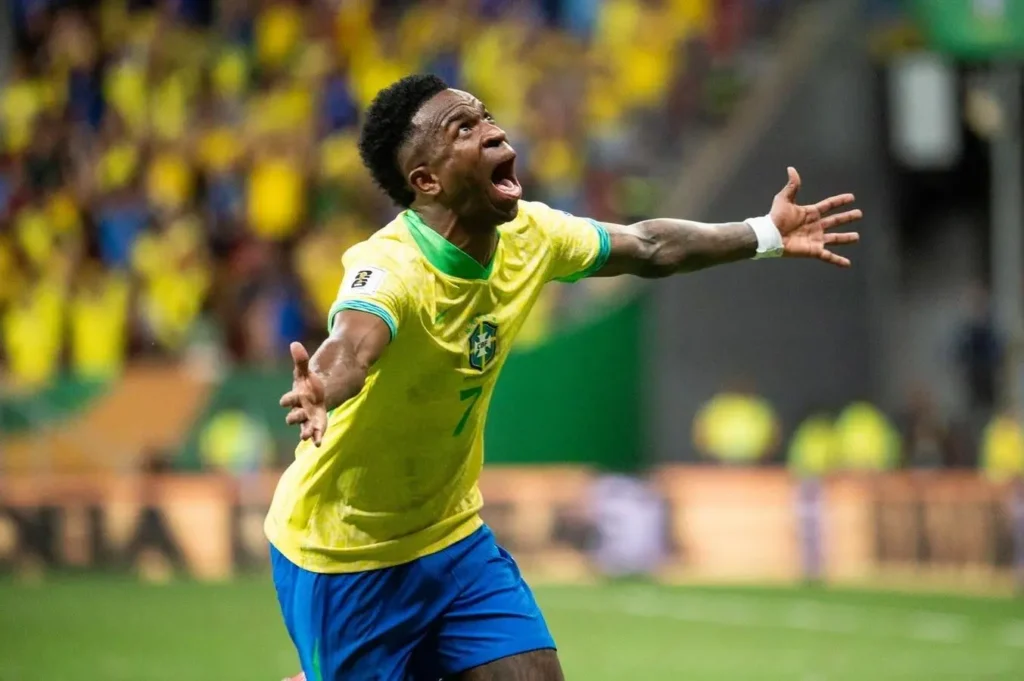

Among the players likely to attract the most attention are Kylian Mbappé, whose speed and finishing make him one of the game’s most dangerous forwards, and Jude Bellingham, a dynamic midfielder known for his leadership and all-around ability. Vinícius Júnior is also expected to play a key role for Brazil with his creativity and attacking flair.
Another exciting talent to watch is Lamine Yamal, who has emerged as one of football’s brightest young prospects. Players such as Erling Haaland and Pedri could also have a major impact if their national teams qualify and perform well during the tournament.
As with every World Cup, unexpected heroes often emerge. A breakout performance from an under-the-radar player can change the course of a tournament and create moments that football fans remember for years to come. The 2026 edition is likely to be no different, with a blend of experienced stars and young talent competing for global recognition.
10. Key Rule Changes and Competition Format Updates
The FIFA World Cup 2026 introduces several important changes that set it apart from previous editions of the tournament. The most significant update is the expansion from 32 teams to 48 teams, allowing more nations to qualify and giving fans the opportunity to see a wider variety of teams compete on football’s biggest stage.
Under the new format, the 48 participating teams will be divided into 12 groups of four teams. Each team will play three group-stage matches, with the top two teams from each group and the eight best third-placed teams advancing to the knockout phase. This creates a new Round of 32, increasing the total number of matches and extending the overall tournament schedule.
In addition to the format changes, FIFA continues to refine competition rules and technology used during matches. Systems such as Video Assistant Referee (VAR) and semi-automated offside technology are expected to play a key role in helping officials make accurate decisions and improve fairness on the field.
The expanded structure is designed to make the tournament more inclusive while maintaining a high level of competition. It also provides emerging football nations with a greater chance to qualify and gain valuable experience against the world’s top teams, making the FIFA World Cup 2026 one of the most diverse and exciting editions in the event’s history.
11. How Fans Can Buy Tickets and Plan Their Trip
Attending the FIFA World Cup 2026 will require some advance planning, especially since millions of fans are expected to travel to North America for the tournament. The best way to purchase official match tickets is through FIFA’s authorized sales platform, where tickets are typically released in phases, including random selection draws and first-come, first-served sales.
Supporters should register early for ticket updates, monitor sales windows, and only buy from official or approved channels to avoid scams or counterfeit tickets. Demand is expected to be especially high for the opening match, knockout rounds, and the final.
Once tickets are secured, fans should book flights and accommodation as early as possible. Since matches will be spread across host cities in Canada, Mexico, and the United States, planning transportation between venues is also important. Travelers should check passport validity, visa requirements, and local entry regulations well in advance of departure.
Finally, consider creating a travel itinerary that includes time for sightseeing and local experiences in addition to football matches. With games taking place in some of North America’s most vibrant cities, the 2026 World Cup offers fans the opportunity to combine world-class football with an unforgettable travel experience.
12. Broadcasting, Live Streaming, and Global Coverage
The FIFA World Cup 2026 will be broadcast to audiences across the globe, allowing billions of fans to follow the action live from home or on the go. Major television networks and official streaming platforms in each region are expected to carry the tournament, with comprehensive coverage including live matches, highlights, expert analysis, and post-game discussions.
In many countries, viewers will have access to matches through free-to-air broadcasters, while others may need a cable subscription or streaming service depending on local broadcasting agreements. Official mobile apps and digital platforms are also likely to provide live scores, match statistics, schedules, and exclusive tournament content.
Fans are encouraged to watch through licensed broadcasters to ensure high-quality coverage and reliable access throughout the competition. Broadcast rights vary by country, so the available channels and streaming services will depend on where you are located.
With matches taking place across multiple time zones in North America, broadcasters are expected to offer replays, on-demand highlights, and multilingual commentary to make the tournament accessible to football fans around the world. Whether watching on television, a smartphone, tablet, or computer, supporters will have plenty of ways to stay connected to every moment of the FIFA World Cup 2026.
13. Records, Milestones, and Interesting Facts About the 2026 World Cup
The FIFA World Cup 2026 is set to break several records and introduce historic firsts that will make it one of the most memorable editions of the tournament. From its expanded format to its unique hosting arrangement, the competition is expected to leave a lasting mark on international football.
One of the biggest milestones is that it will be the first FIFA World Cup to feature 48 teams, increasing participation from 32 nations and expanding the tournament to 104 matches. This change provides more countries with the opportunity to compete on football’s biggest stage and gives fans even more action to enjoy.
Another historic achievement is that the tournament will be co-hosted by three countries—Canada, Mexico, and the United States—making it the first World Cup ever shared by three host nations.
Mexico will also make history by becoming the first country to host matches in three different FIFA World Cups, having previously hosted the tournament in 1970 and 1986. Meanwhile, many of the selected venues are among the largest and most modern stadiums in North America, capable of welcoming massive crowds and creating an unforgettable atmosphere.
With more teams, more matches, and a wider geographic footprint than any previous edition, the FIFA World Cup 2026 is expected to set new attendance and viewership records while celebrating the global growth and popularity of the sport.
14. Early Predictions: Favorites and Potential Dark Horses
Although predicting the winner of the FIFA World Cup 2026 is never easy, several national teams are already being viewed as strong contenders based on their recent performances, squad depth, and international experience. Traditional football powerhouses are expected to enter the tournament with high expectations and ambitions of lifting the trophy.
Among the favorites are Argentina national football team, the reigning world champions, along with France national football team, Brazil national football team, Spain national football team, and England national football team. These teams possess world-class talent, experienced coaching staffs, and a proven track record in major tournaments.
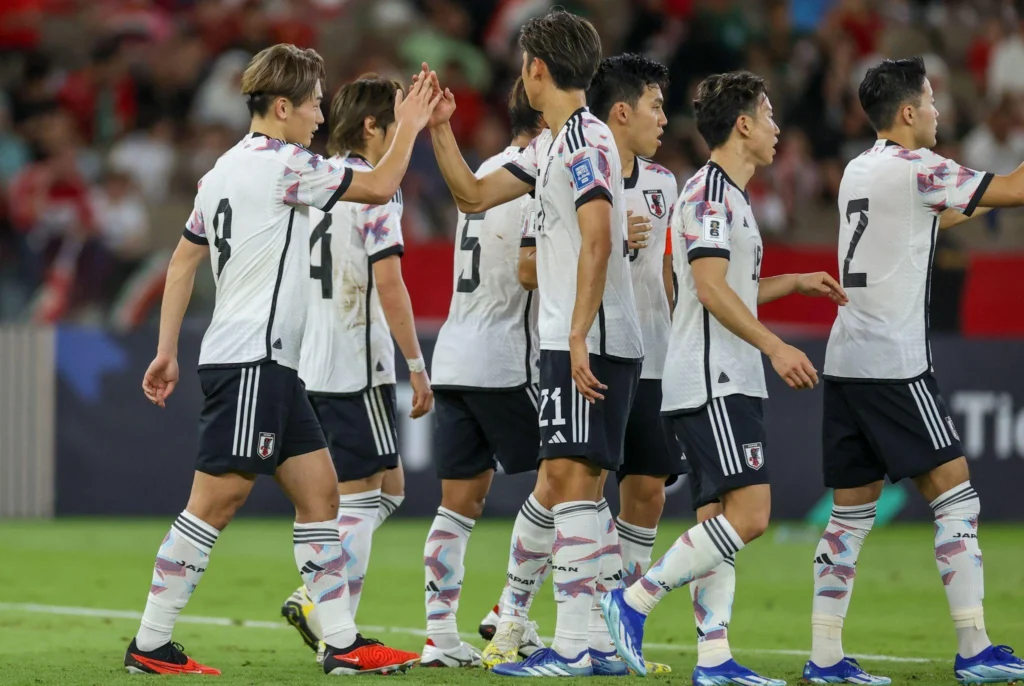
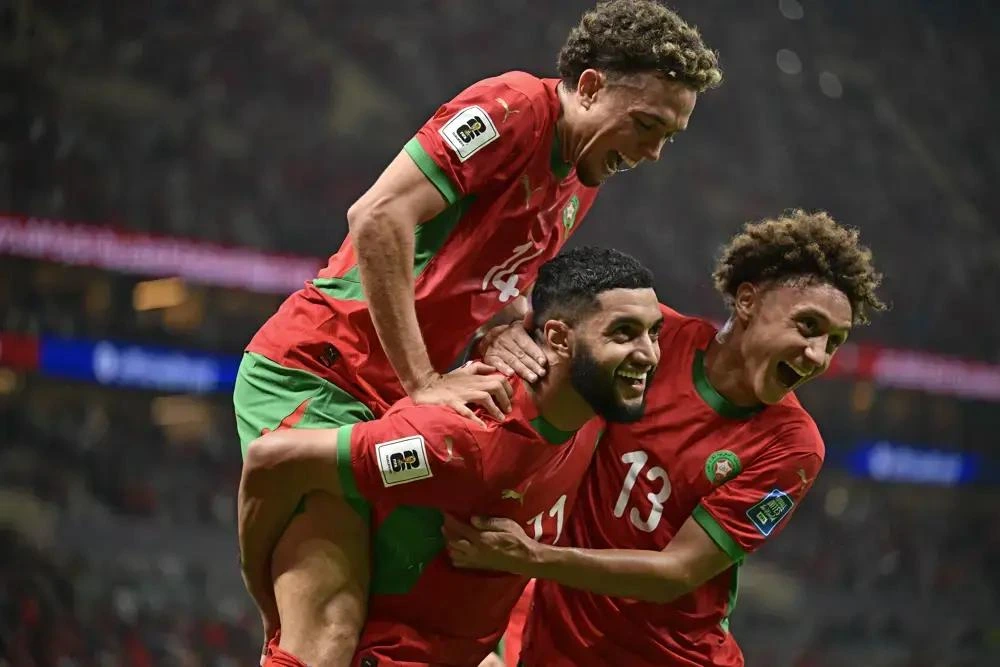

At the same time, every World Cup produces surprise contenders. Teams such as Morocco national football team, Japan national football team, Croatia national football team, and Colombia national football team have shown they can compete with elite opposition and could emerge as dark horses if they build momentum during the tournament.
The expanded 48-team format may also increase the chances of unexpected upsets and Cinderella stories. Strong teamwork, tactical discipline, and standout individual performances often matter just as much as reputation, making the FIFA World Cup one of the most unpredictable and exciting competitions in world sport.
15. Frequently Asked Questions About the FIFA World Cup 2026
The tournament is scheduled to start on June 11, 2026, with the final planned for July 19, 2026.
The competition will be jointly hosted by Canada, Mexico, and the United States, marking the first time three nations have shared hosting duties.
A total of 48 national teams will compete, making it the largest FIFA World Cup in history.
The 2026 edition will feature 104 matches, significantly more than the 64 matches played in previous 32-team tournaments.
The 48 teams will be divided into 12 groups of four. The top two teams from each group, along with the eight best third-placed teams, will advance to the knockout stage, which begins with the Round of 32.
The World Cup final is scheduled to take place at MetLife Stadium.
Tickets will be sold through official FIFA channels in multiple sales phases. Fans should purchase only from authorized sources to avoid scams and ensure valid entry.
Yes. Broadcasters and licensed streaming services around the world are expected to provide live coverage, highlights, and on-demand content, though availability will vary by country.
It is the first FIFA World Cup to feature 48 teams, the first to include 104 matches, and the first ever to be hosted by three countries, making it one of the most ambitious tournaments in football history.
16. Final Thoughts: Why FIFA World Cup 2026 Could Make History
The FIFA World Cup 2026 is shaping up to be a landmark event that could redefine the future of international football. With an expanded 48-team format, a record 104 matches, and three host nations—Canada, Mexico, and the United States—the tournament promises to deliver more excitement, greater diversity, and unprecedented global reach.
Fans can look forward to seeing the world’s best players compete in iconic stadiums, while emerging football nations will have a bigger opportunity than ever to make their mark on the biggest stage. The combination of elite competition, passionate supporters, and cutting-edge venues is expected to create unforgettable moments that will be remembered for years to come.
Whether you’re a lifelong football fan or someone watching the World Cup for the first time, the 2026 edition offers something special. From thrilling group-stage clashes to dramatic knockout matches and the crowning of a new champion, the tournament has all the ingredients to become one of the greatest FIFA World Cups ever held. As kickoff approaches, anticipation continues to build for what could be a truly historic celebration of the beautiful game.